
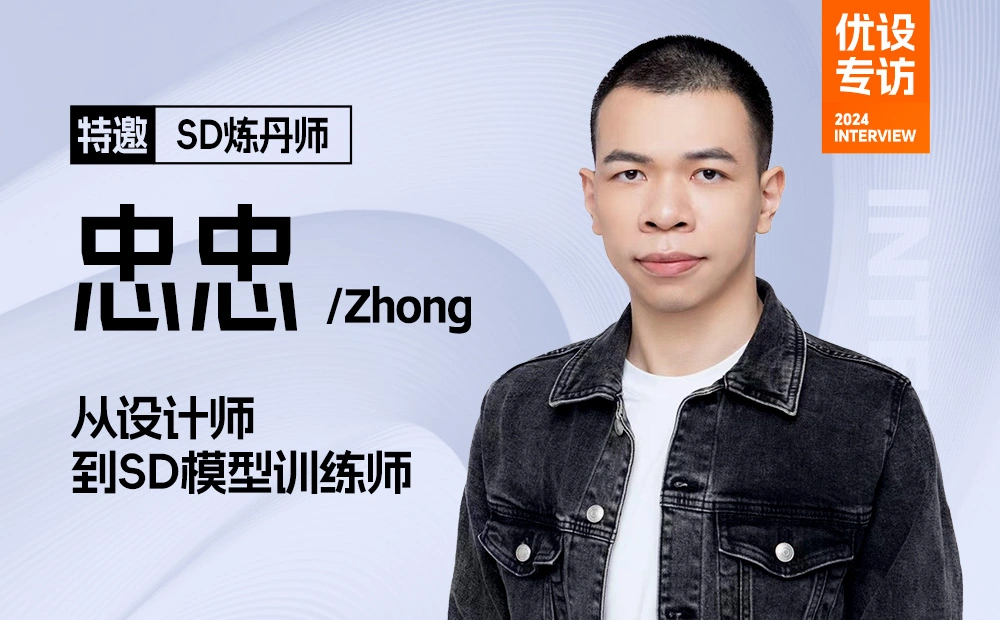
Stable Diffusion is driving an unprecedented wave of innovation and fundamentally reshaping the creative industries.
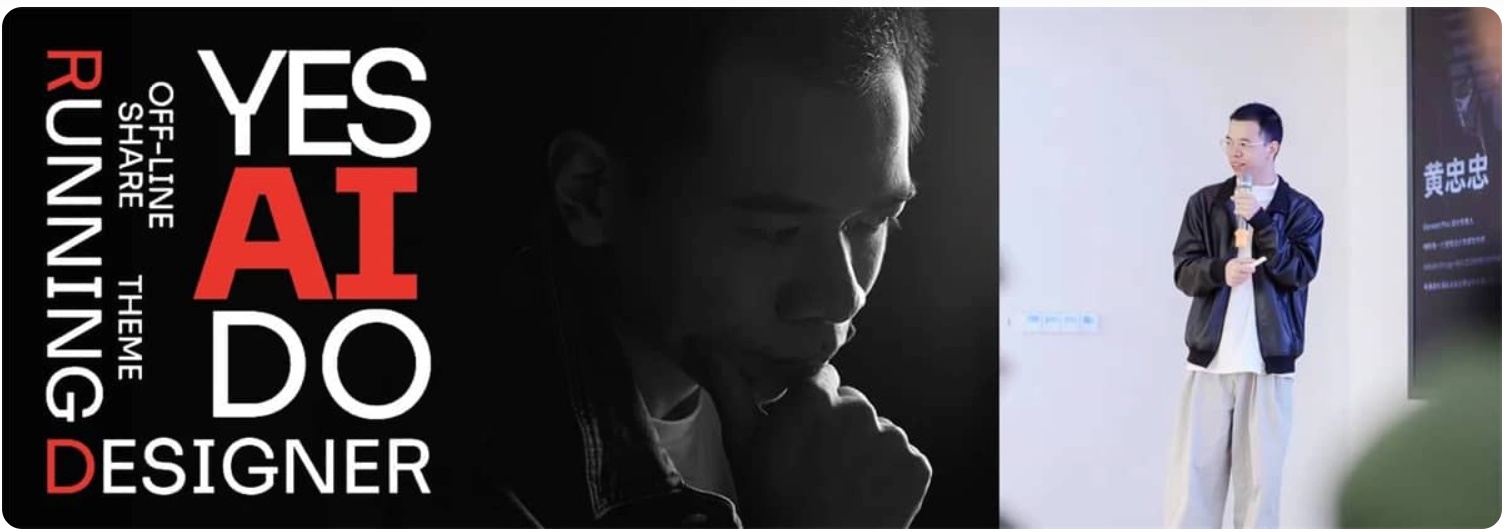
Amid this surge of open-source technology, @SD Alchemist Zhongzhong has become a standout explorer in SD model training through sharp insight and relentless effort. His carefully crafted model series—BDicon, an internet illustration style and 3D e-commerce display stands—set a new benchmark in the field and show vividly how SD model training can deliver a leap in design efficiency. He has also given SD training workshops and talks for Alibaba, Canva, Huawei, Ping An Technology, Tencent and other companies.
In this interview, we look at his hands-on experience and insights in SD model training.
1. Your BDicon model has drawn a lot of attention on LiblibAI. Can you tell us how you got into SD model training and built such a popular model?
I started working on model training in earnest in March 2023. I noticed there were already very good SD 1.5 design models on the market and felt this was a huge productivity leap I had to be part of, so I started studying it.
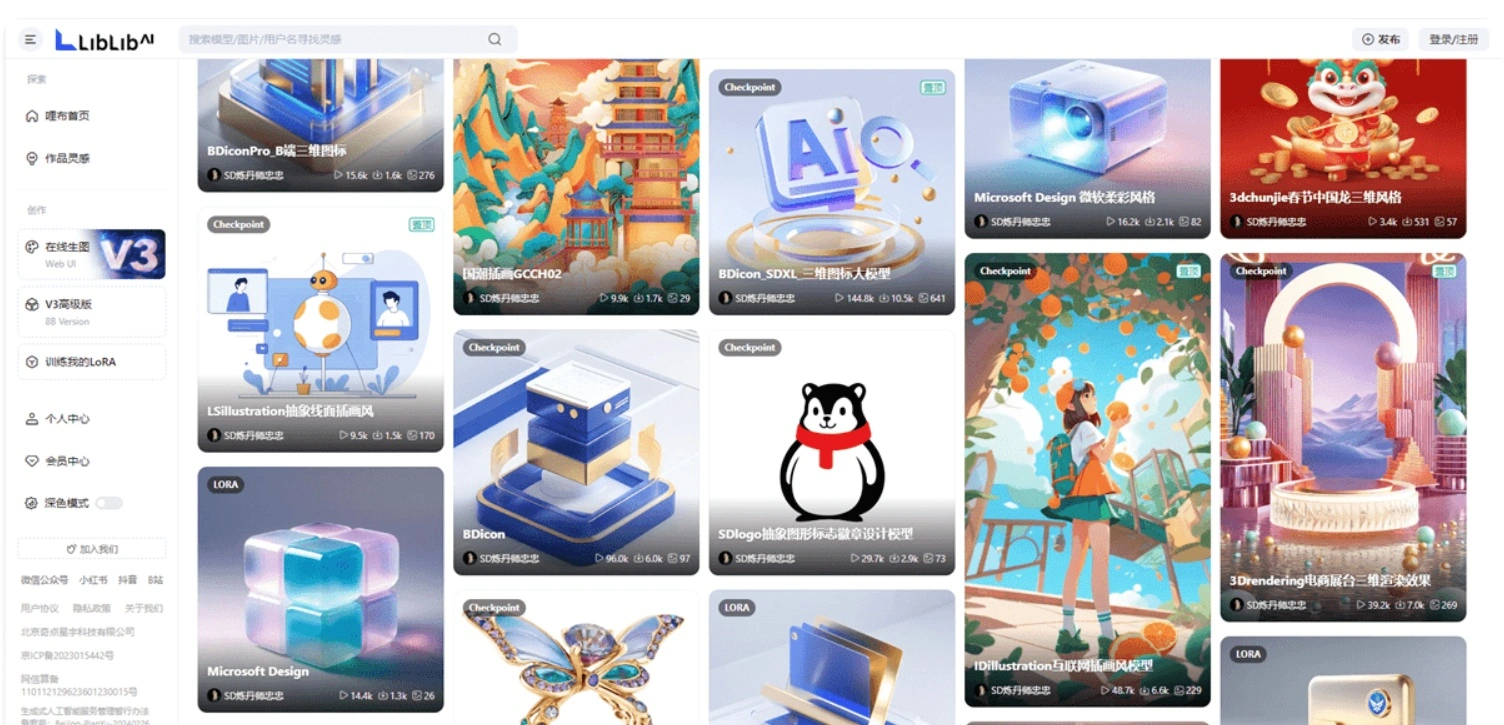
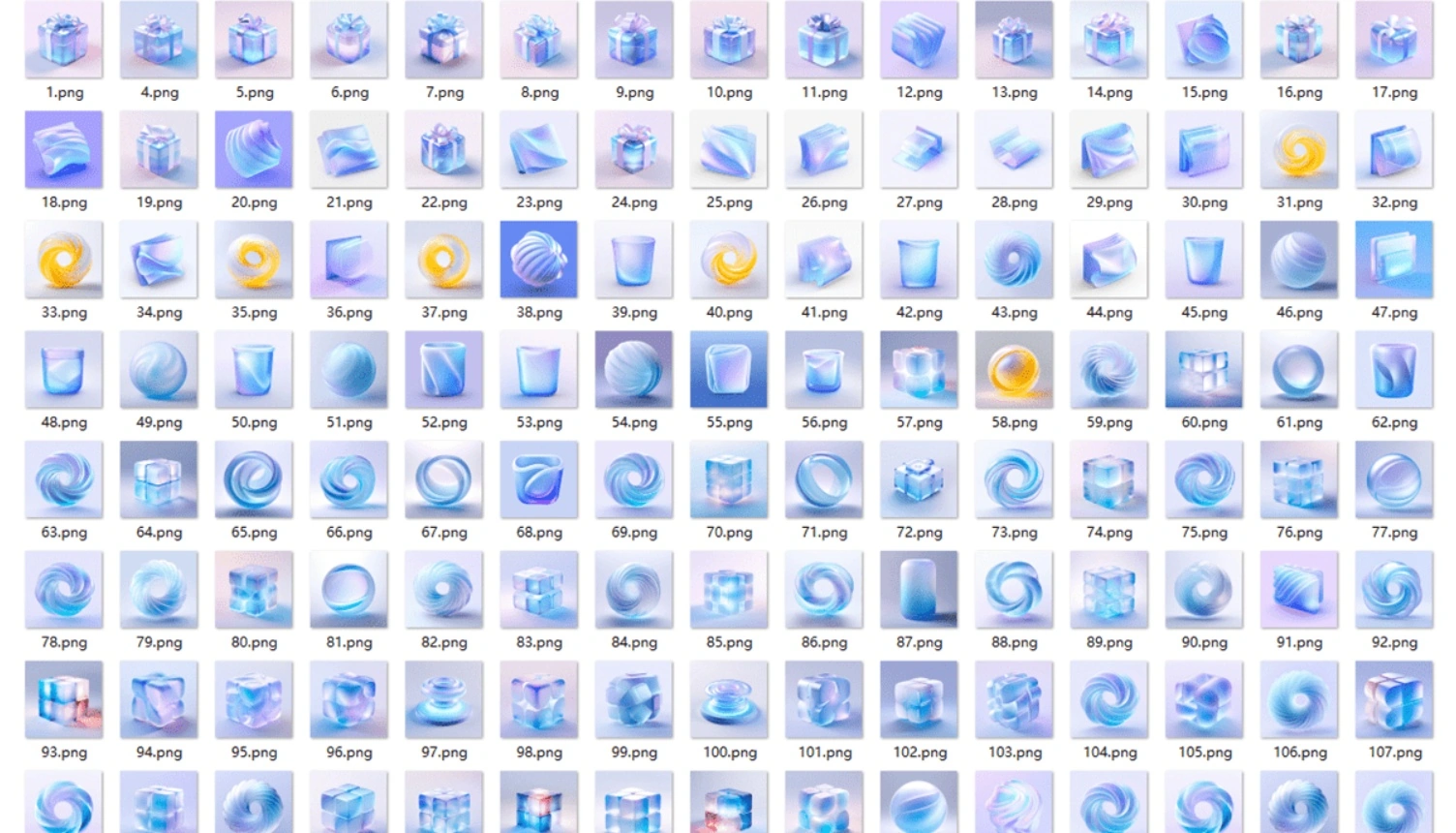
I mostly taught myself on Bilibili. Special thanks to Bilibili creators such as Qinglong Shengzhe and Independent Researcher Xingkong for sharing so generously—their tutorials taught me the basics of model training and helped me run the whole training pipeline end to end. Many UI designers need 3D icons like BDicon but can't use 3D software, so I targeted that pain point and chose the BDicon style of B2B icons as my experiment. After dozens of failures, I finally trained the BDicon 1.5 Ckpt model.

After launch, BDicon was a hit with UI designers and reached the LiblibAI homepage on organic traffic alone. When SDXL was open-sourced, I released a matching BDiconSDXL version, followed by BDiconProSDXL with a richer color palette.
2. For designers who are new to SD, can you explain why SD model training (fine-tuning) matters so much?
The base SD models from Stability AI are already powerful, but they can't meet the needs of specific domains. They haven't learned the features of domain-specific datasets—a particular Guochao art style or an IP character, for example—so naturally they can't produce those images. With SD model training (fine-tuning), we can teach a base model features it didn't know before, and then extend those features to generate many more AI images that carry them.
For example, the base SD model couldn't generate BDicon-style 3D B2B icons directly, but after learning from the right dataset, it can generate all kinds of them.

3. You've studied Stable Diffusion in depth and enjoy sharing what you learn. Can you walk us through the core process and key points of SD model training?
The core process is actually simple: collect and process an image dataset, add the matching text captions, run a training script to produce a fine-tuned model, then test it. Once it meets the bar, it's ready for real use.
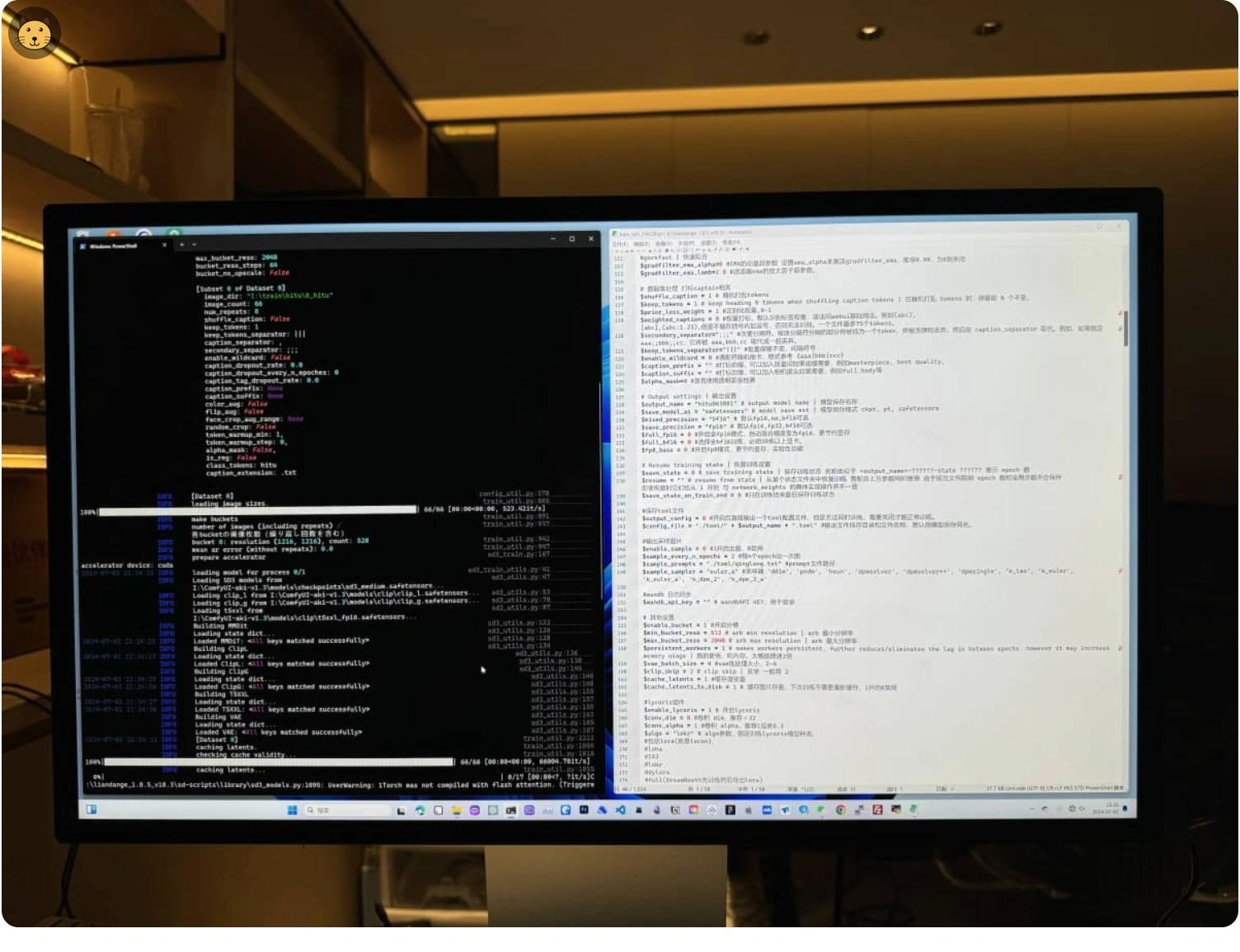
The key to SD model training is the quality of the training set and captions. Only high-quality training data and captions give you a high-quality fine-tuned model—after all, even the best cook can't make a meal without rice, haha.
4. What technical details or unique training methods help your models stand out from so many others?
In model training, the quality of the training images affects the final result more than anything else. Strict selection and processing of the training set—quality over quantity—leads to better learning of specific features. In short, I stick to one principle: whatever you want the SD model to generate, give it the best matching dataset to learn from.
5. You used to work in UI design and now focus on SD model training. How are the two jobs similar and different? What made you leave a stable design job to found Liandan AI Studio? Any lessons from starting a business?
In my previous UI design job, I mainly built and maintained the Element Plus UI framework library. Like SD model training, it was about providing foundational tools so designers can produce work more efficiently, and strengths in logic and coding help in both.
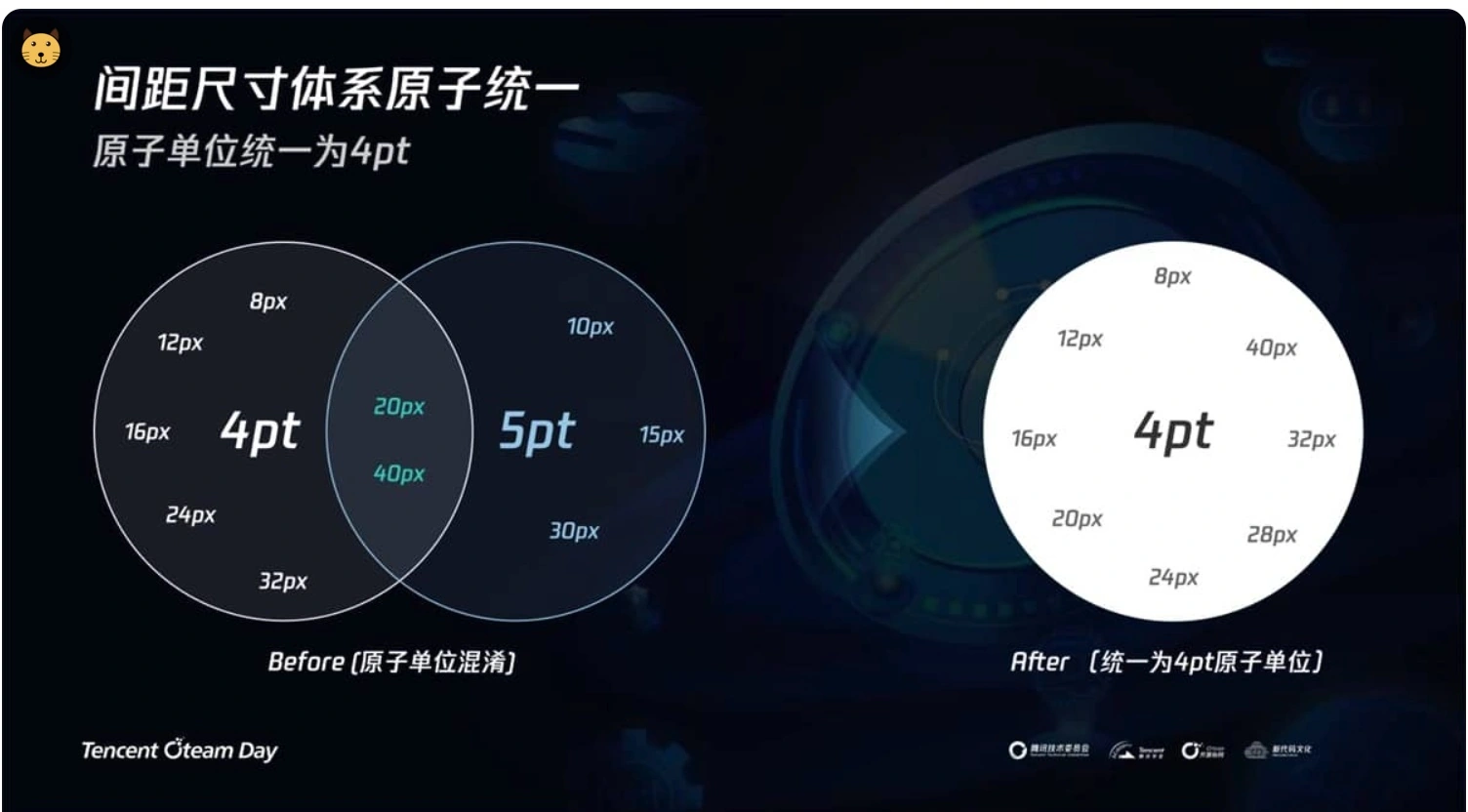
SD model training puts much more time into the training workflow—processing training sets, testing models and so on—which is clearly different from hands-on UI design work like building component libraries and drawing interfaces.
I left a stable design job to found Liandan AI Studio mainly to explore more of what life can offer. My old job was stable, but it came with company rules and limits, so I never had real freedom to explore. Running my own business, my income is less steady, but I have far more freedom than as an employee to do what I want and learn the skills and knowledge I want—like this past year of racing ahead on the “alchemy” path.
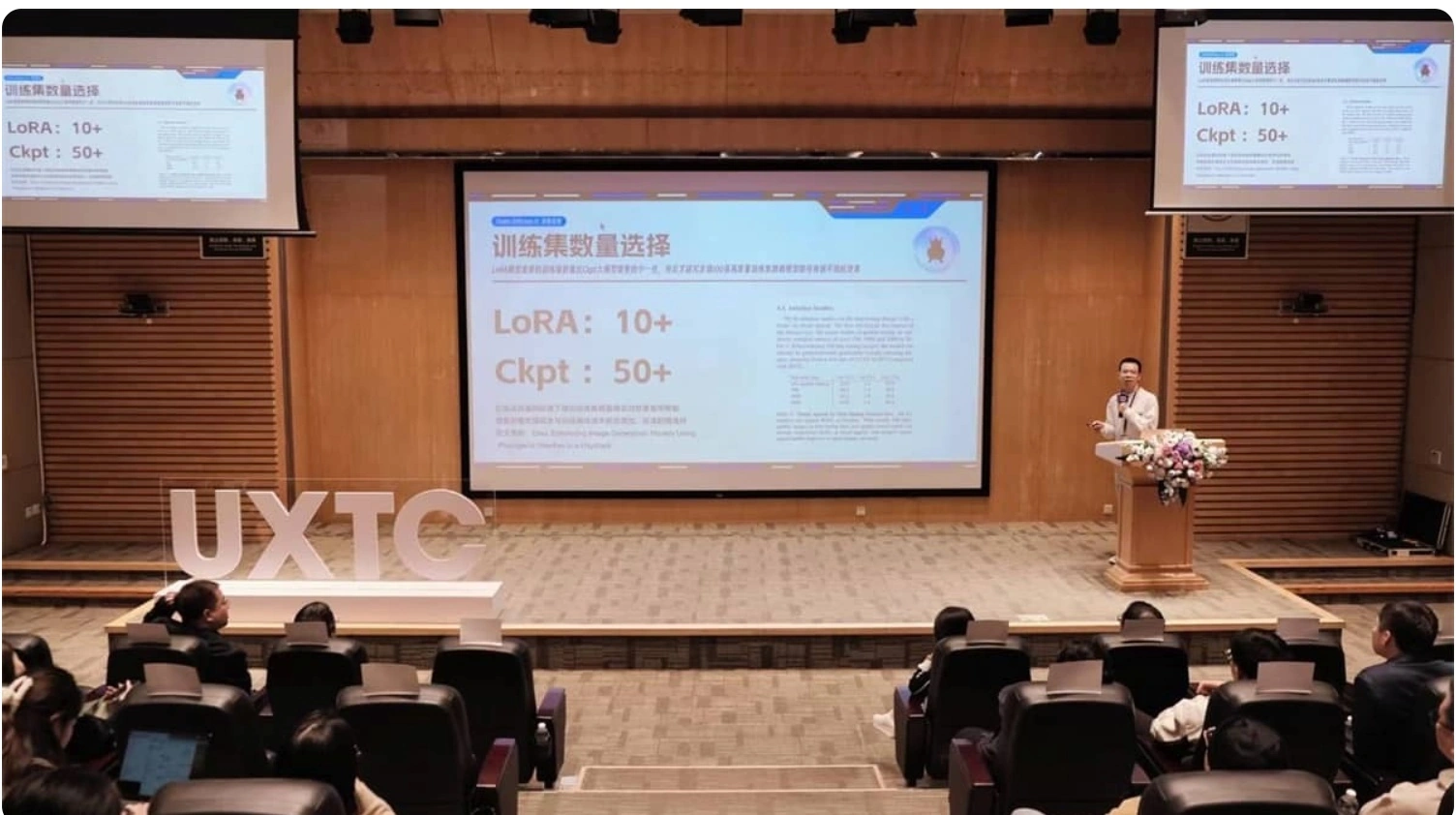
Starting my own business has introduced me to many more interesting and highly capable people, and the collaboration is very different from working with a fixed product team at a company. Traveling to hold “alchemy” meetups and run focused classes, I've also seen places I never got to see before—the glittering lights of the Great Tang All-Day Mall in Xi'an that I'd long wanted to visit, and the morning river mist beside the Pavilion of Prince Teng in Nanchang.

6. What practical role can SD model training play in commercial work? Do you have a specific commercial case you can walk us through?
SD model training can greatly improve productivity in specific steps of the workflow. Take BDicon in B2B design: an icon that takes 4 hours to model in 3D can be generated from text with BDicon in just 0.4 hours, a 90% efficiency gain. For something more complex that needs a line-art guide, it can still be done within an hour, a 75% gain—quite significant.
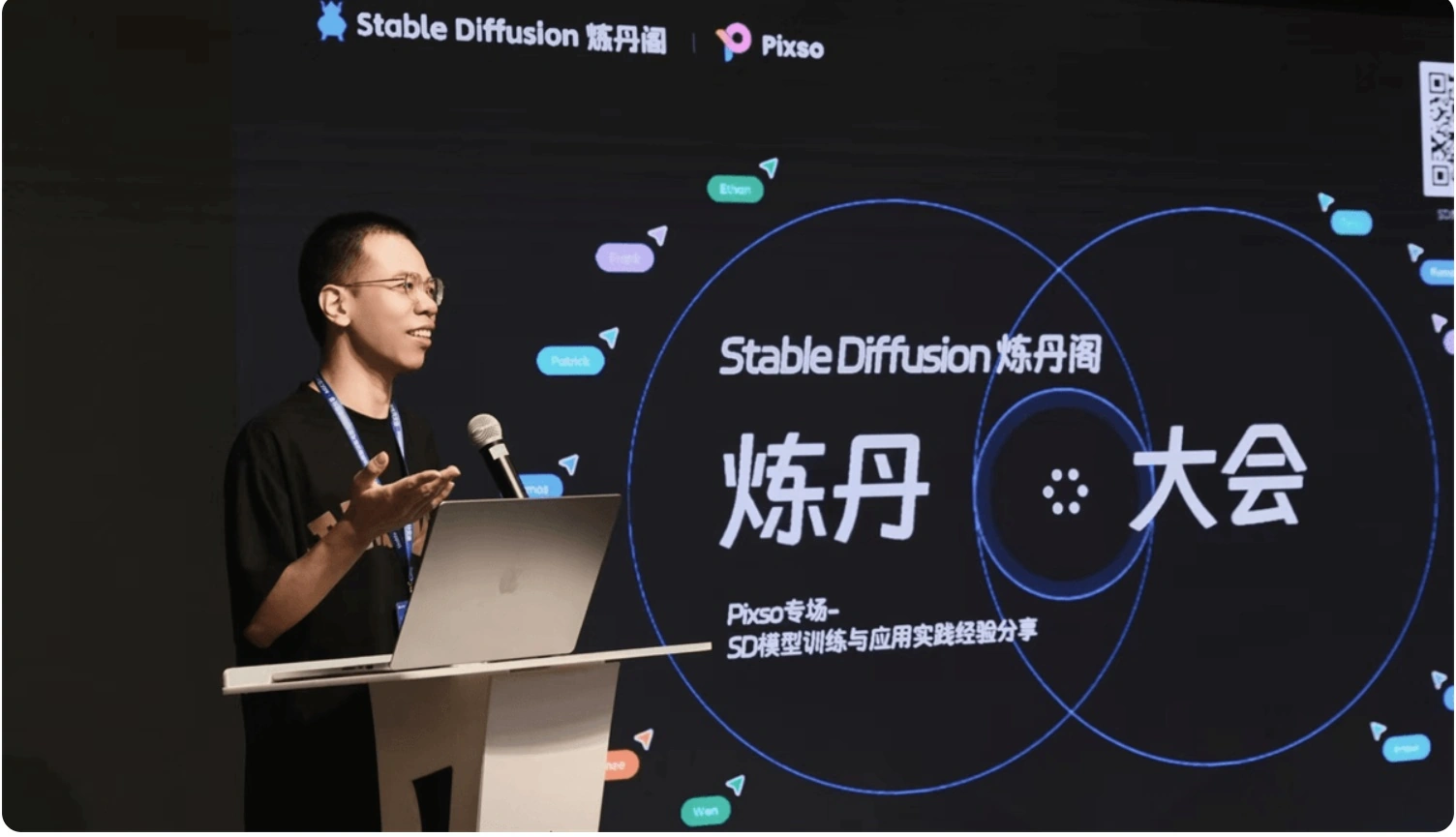
7. From your position at the industry's forefront, how do you see the current state and future of SD model training? Any predictions or hopes to share?
SD model training is still in a fairly early, rough-and-tumble stage of growth. As experts in the field keep digging deeper and a healthy ecosystem takes shape, I believe SD model training will be able to do much that it couldn't before and raise productivity across the workflow.
Stability AI has also recently secured a lifeline with major investment from top-tier firms, so everyone can keep tapping the potential of this open-source technology. SD model training will surely unlock more creativity and productivity.

Source: UISDC · July 4, 2024
View original article ↗