Gongbi painting with light color washes depicts osmanthus, tea hills and seasonal fruit, letting early autumn slip little by little into everyday life.
Project Type
The 24 Solar Terms
Client
National Development and Reform Commission (NDRC)
Year
2026
Our role
Solar-term film AI visuals & video, editing, posters
Original format
2160 × 3840 · 00:44
Preview
Click an image to view it full size
NDRC · 24 Solar Terms: Bailu (White Dew)Film keyframe · click to enlarge ↗Film00:44 · Film
01 / Background
How do you capture the subtle changes of White Dew?
White Dew is the turning point between summer and autumn, so the film had to show both the weather cooling and the produce growing abundant. It opens with morning light by the sea and dewdrops on osmanthus, moves into daily life through tea hills, tea picking and brewing, then spreads out the harvest with longans, walnuts, red dates and a village drying its crops in the autumn sun.
The posters for earlier episodes had already used a gongbi texture; this episode painted the entire short in gongbi with light color washes. Flowers, leaves, fruit and vessels are drawn with clear forms, while the mountain forests and distant views blend together in soft washes. All ten shots share the same brushwork and colors, and the pace slows down to match the early autumn of “the cool wind arrives, autumn dew forms.”
02 / Creative Highlights
Linking landscapes and seasonal produce with gongbi and light washes.
01
Dew first, then autumn
After the warm morning light by the sea, a close-up captures dewdrops on the edge of an osmanthus leaf, then cuts to tea hills in the mist. Water droplets, flowers and mountain mist turn abstract seasonal knowledge into visible details, and alternating wide and close shots give the images a rhythm of tension and release.
02
From tea hills to a teacup, one thread of daily life
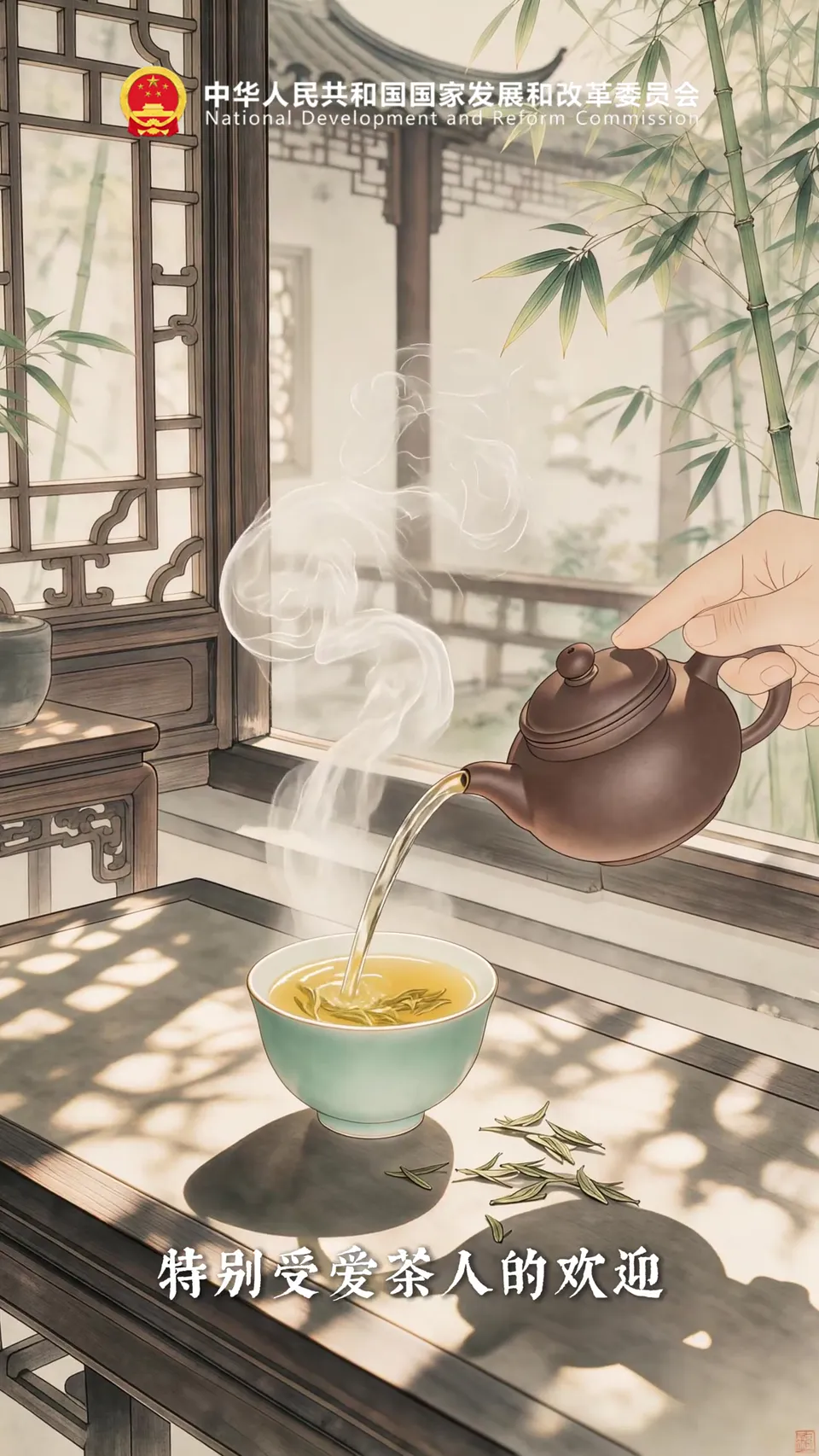
After the tea pickers' hands at work, a purple clay teapot pours into a celadon cup as the light and steam by the window shift gently. Told in one line from the tea hills to the window, the story of where tea comes from and how it warms everyday life is told all the way through.
03
Laying out the harvest through fruit
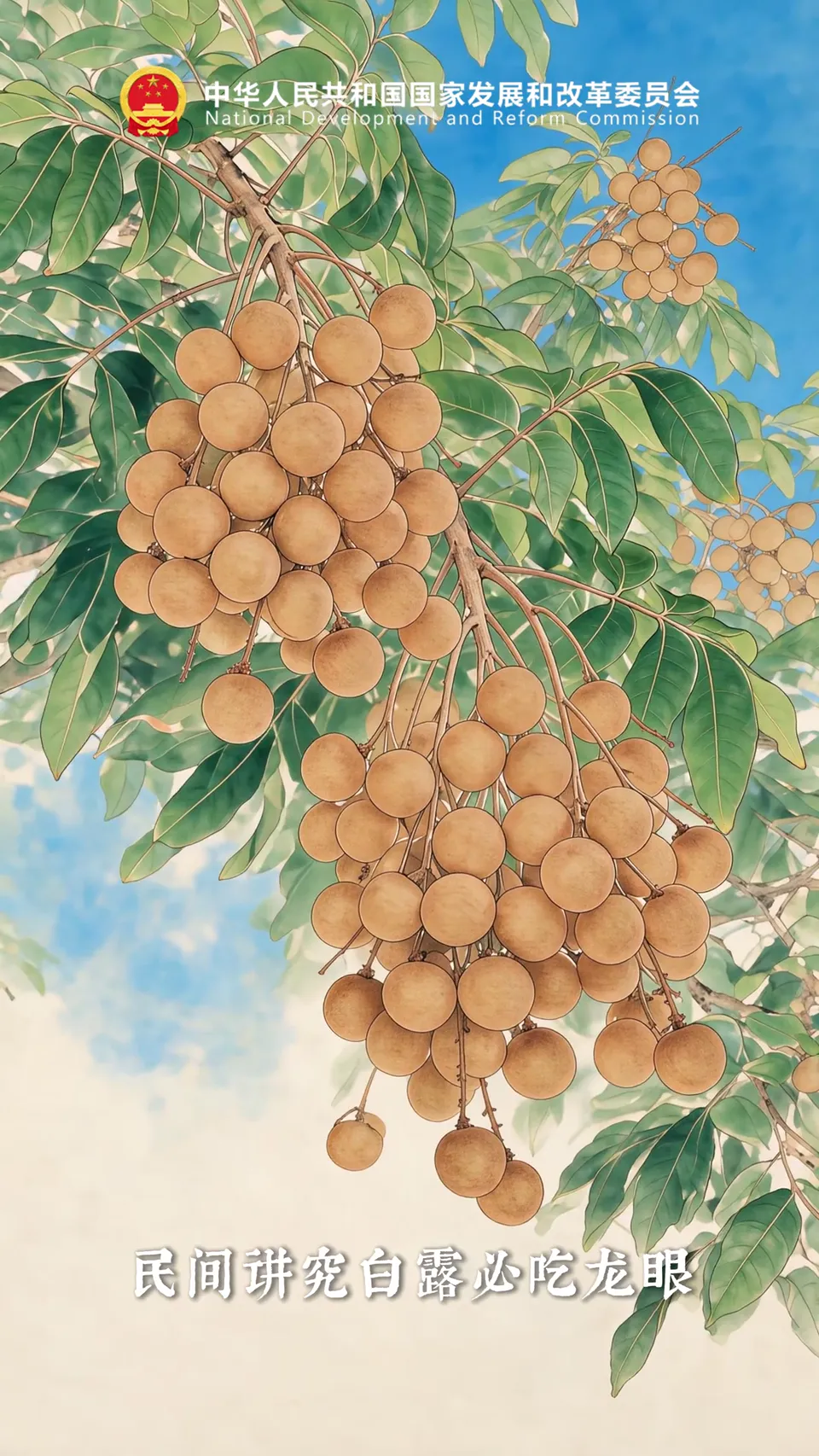
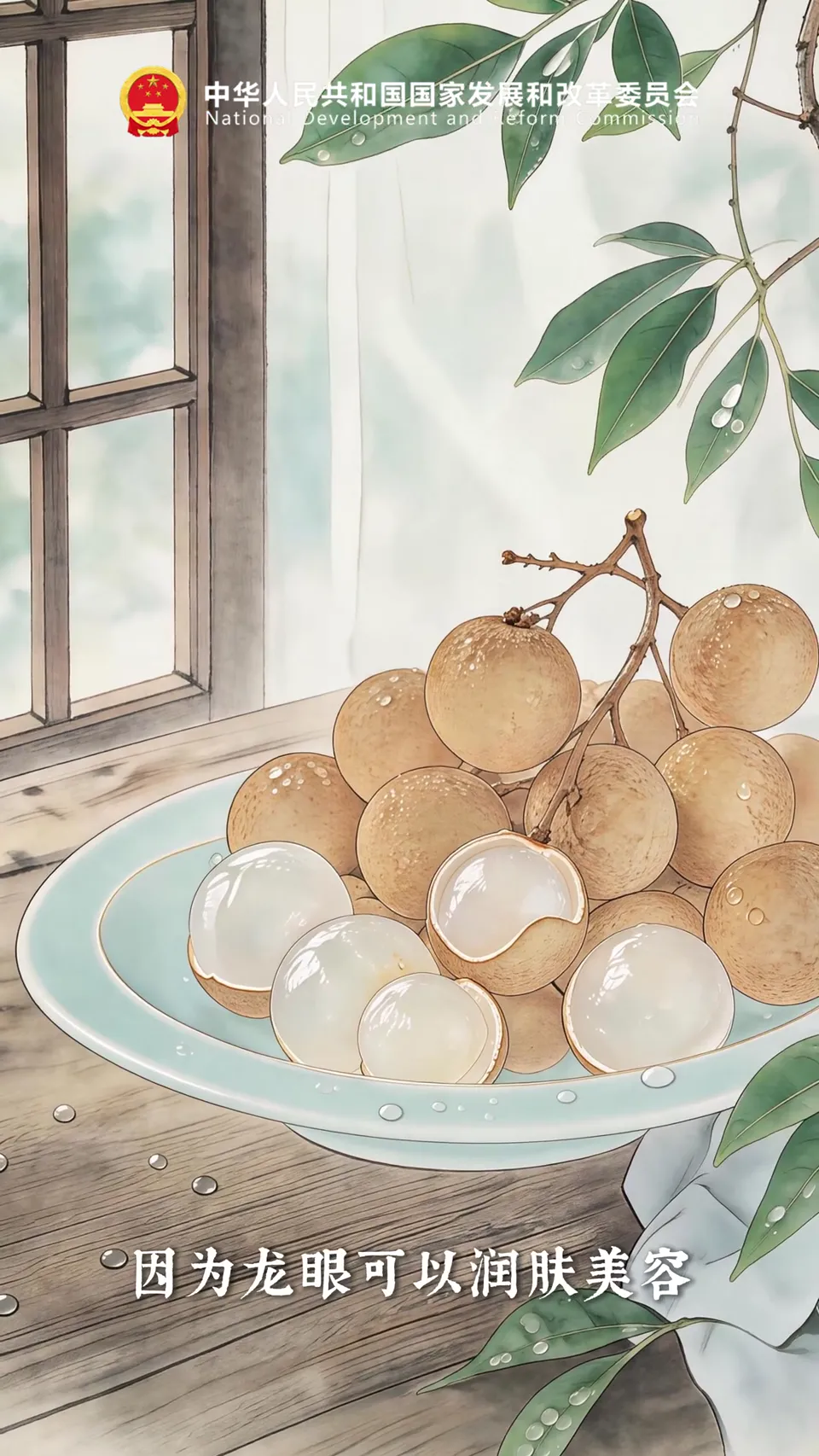
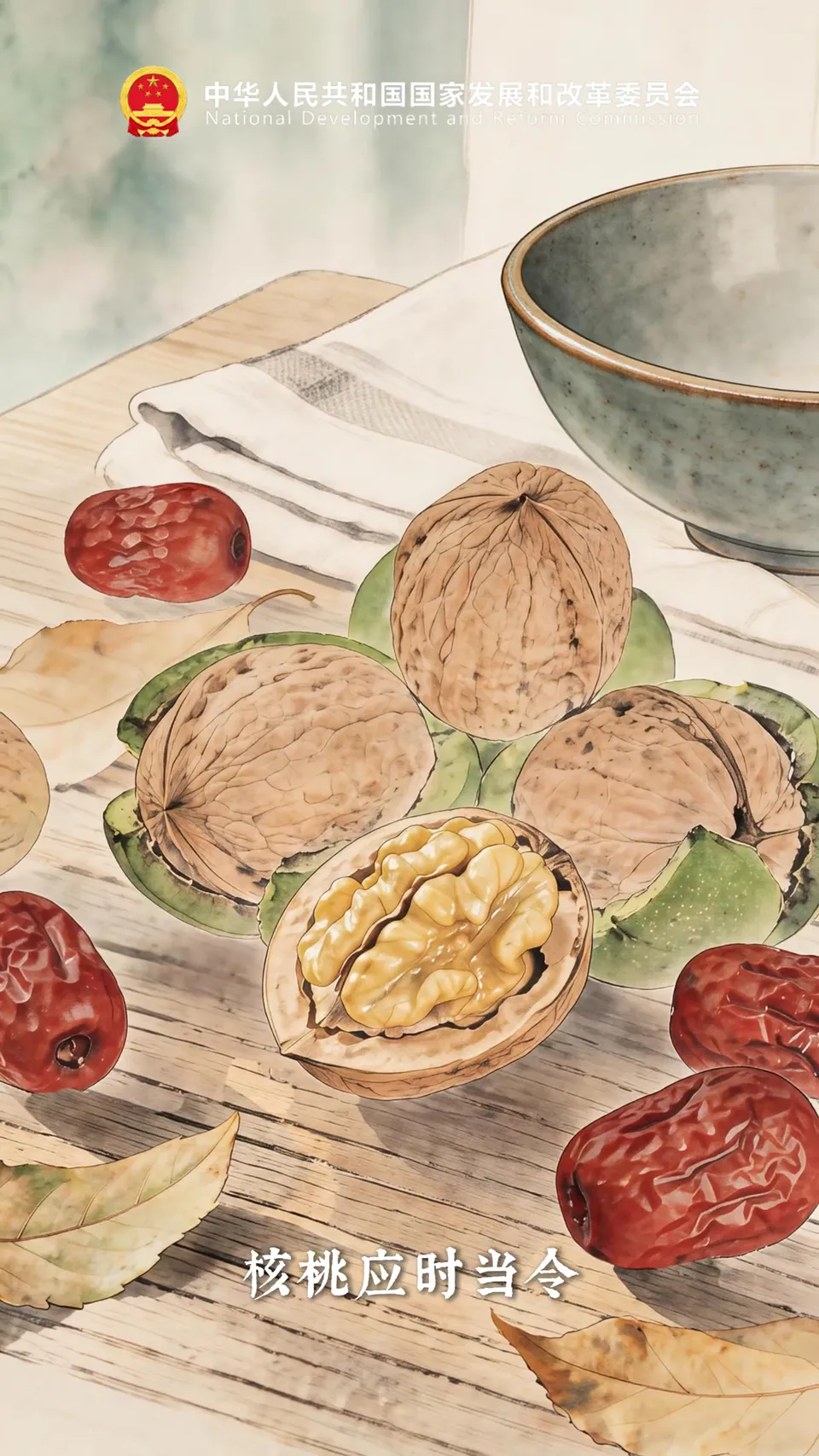
Longans on the branch lead to fruit on a plate by the window, then to walnuts and red dates. The different textures of shells, flesh, fabric and porcelain are carefully painted, bringing the harvest from distant fields down to everyday things within reach.
04
A village drying its harvest closes the film
After the misty mountains, peppers and corn in drying trays on the rooftops form the last set of images. The overhead shot keeps pulling back to the very end without suddenly pushing in, and the scenes of people and nature come together in this final stretch.
03 / Scene Breakdown
From sunrise over the sea and dew on osmanthus to tea hills, a fruit plate and a village drying its harvest.
Film · 00:00–00:09
Sunrise and Dew on Osmanthus
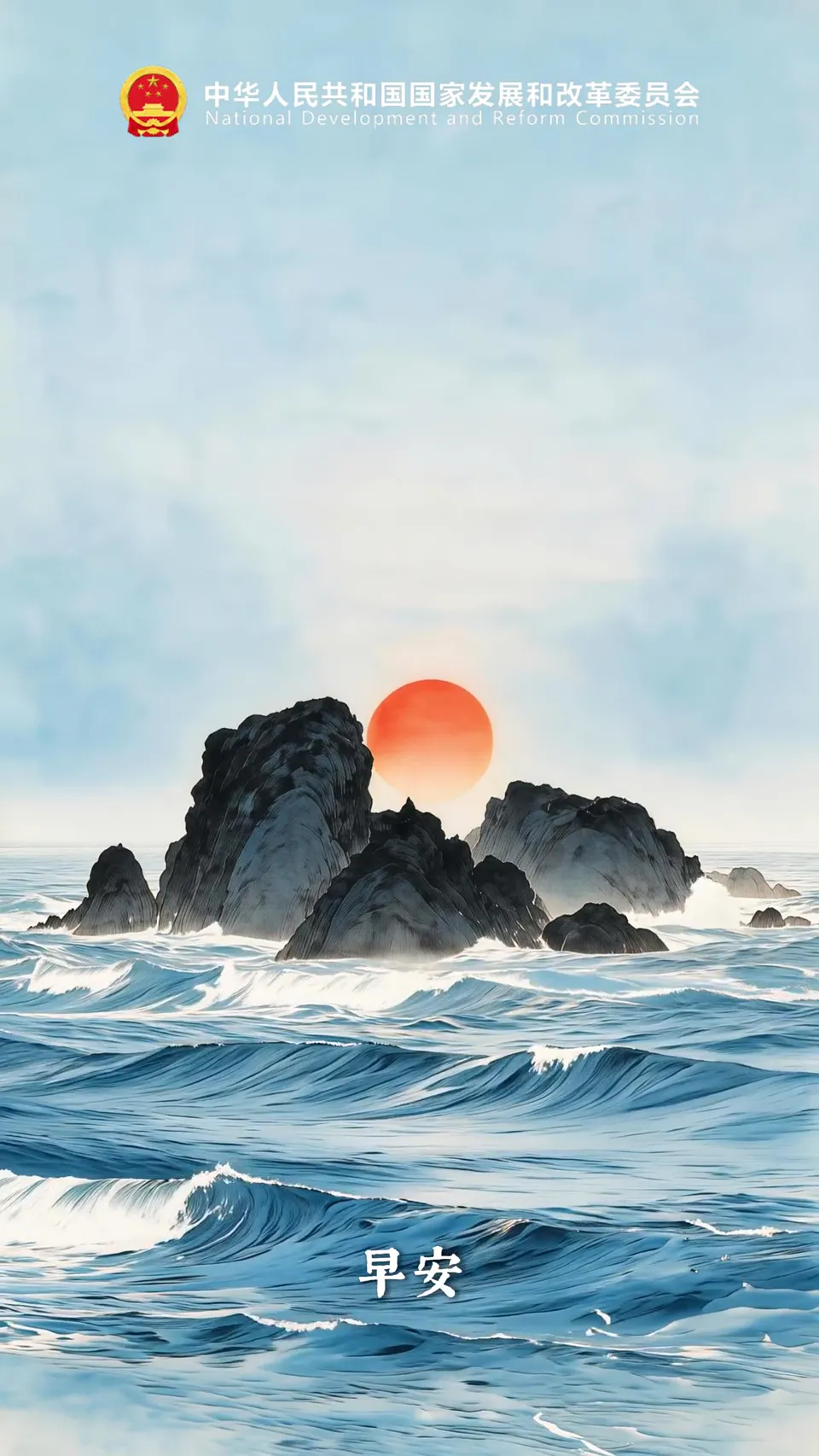
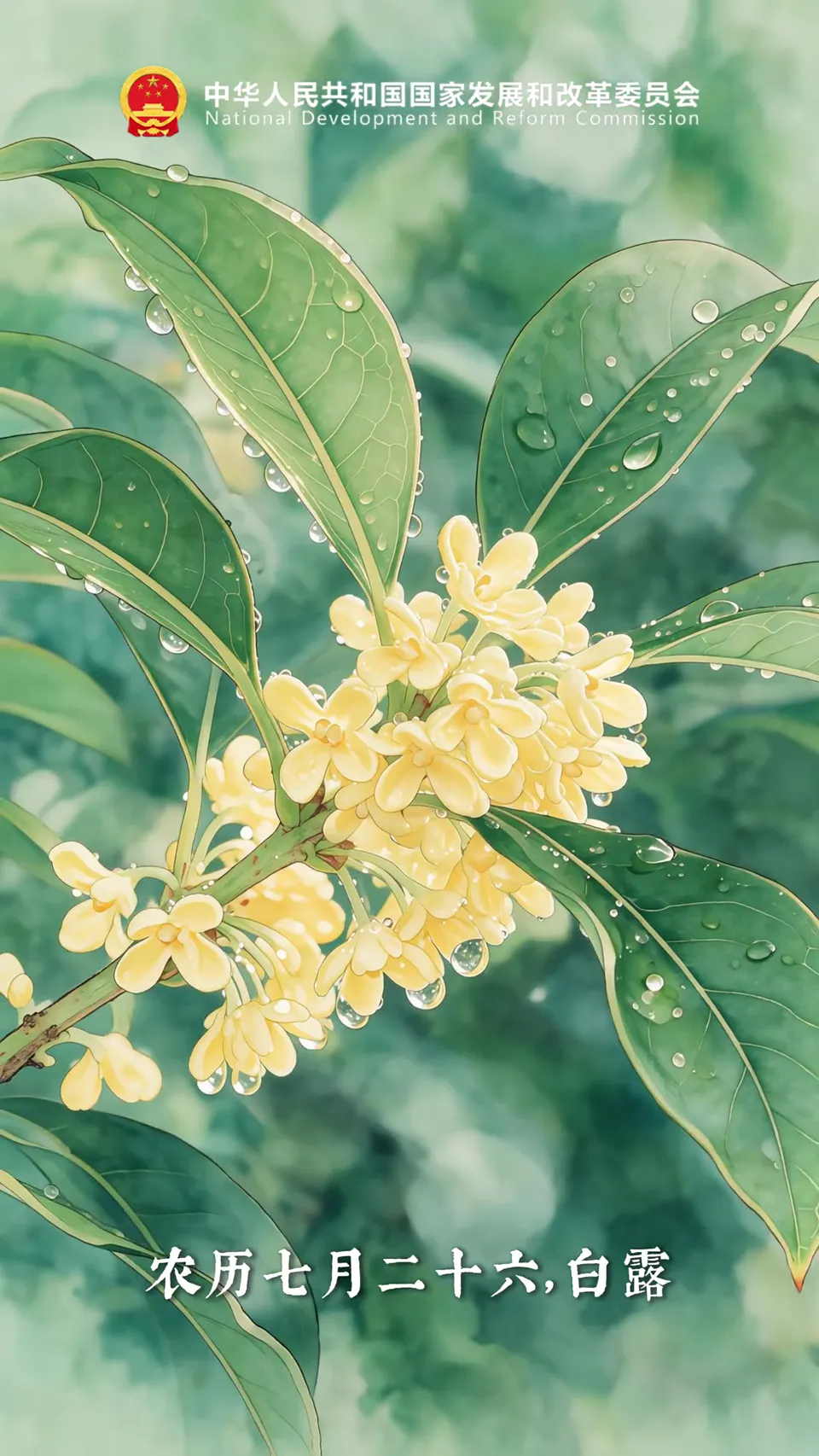
The first two shots give the date and the solar term: first a sunrise over the sea, then osmanthus covered in dewdrops, so the words “White Dew” land on the dew itself.
Clip · 00:00–00:05
Sunrise Over the Sea
Dark rocks stand in the sea as a red sun rises behind them and blue waves roll in layer after layer. The camera holds still as the voiceover says, “Good morning, today is September 7, 2026.”
Clip · 00:05–00:09
Osmanthus Covered in Dew
Pale yellow osmanthus flowers and green leaves are covered in water droplets against a soft blue-green background. The line “26th day of the 7th lunar month, White Dew” is set to this spray of flowers.
Film · 00:09–00:20
From Tea Hills to a Cup of Tea
As the narration talks about tea in the White Dew season, the images move from tea gardens on the hills to a teacup by the window: first the tea hills, then people picking tea, and finally the tea poured into a cup.
Clip · 00:09–00:14
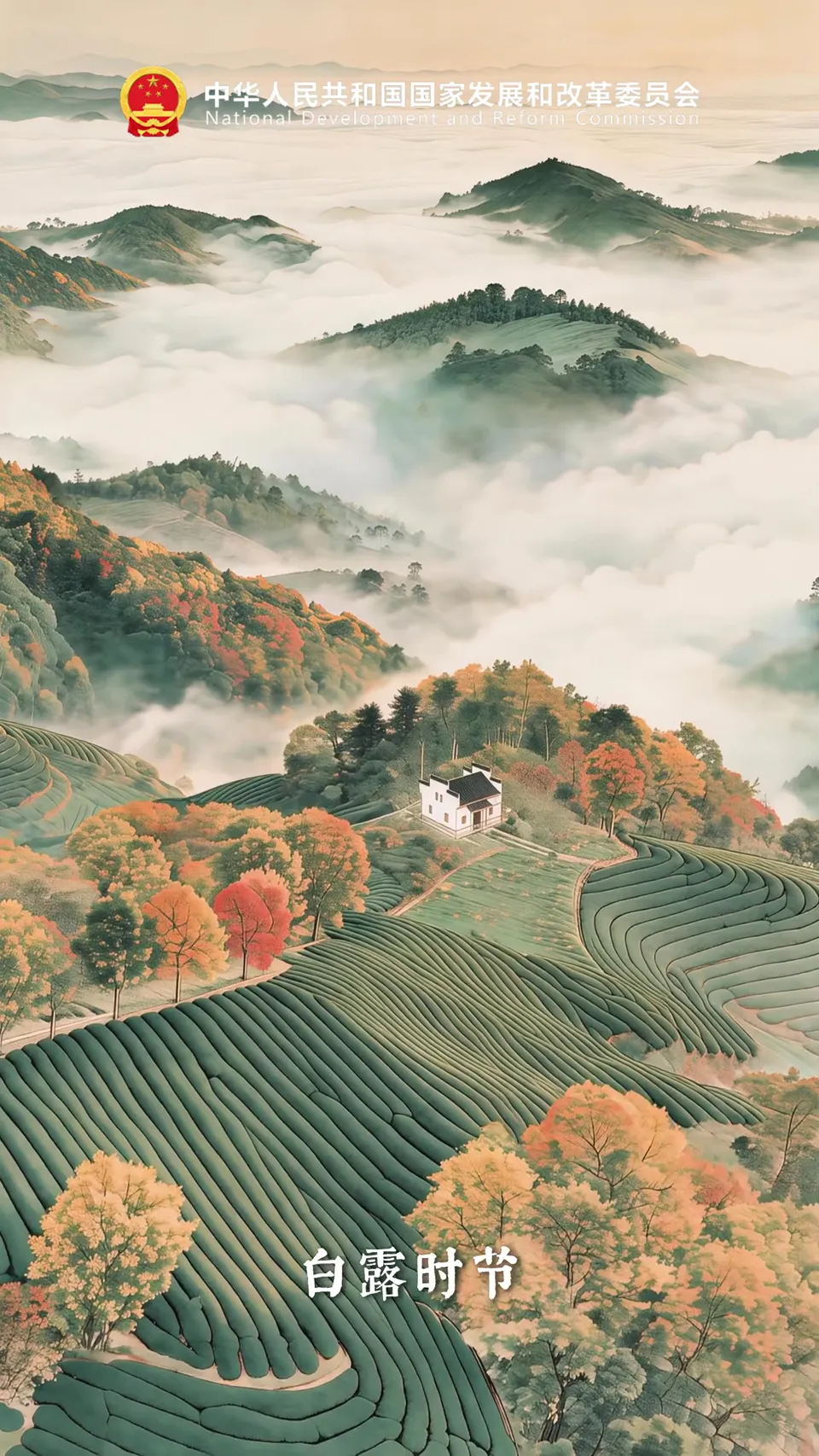
Tea Hills in a Sea of Clouds
Terraced rows of tea wind around the hillside, a white sea of clouds fills the valley, a few autumn trees have already turned red, and a small white-walled house is tucked in among them. The camera pushes slowly forward.
Clip · 00:14–00:17
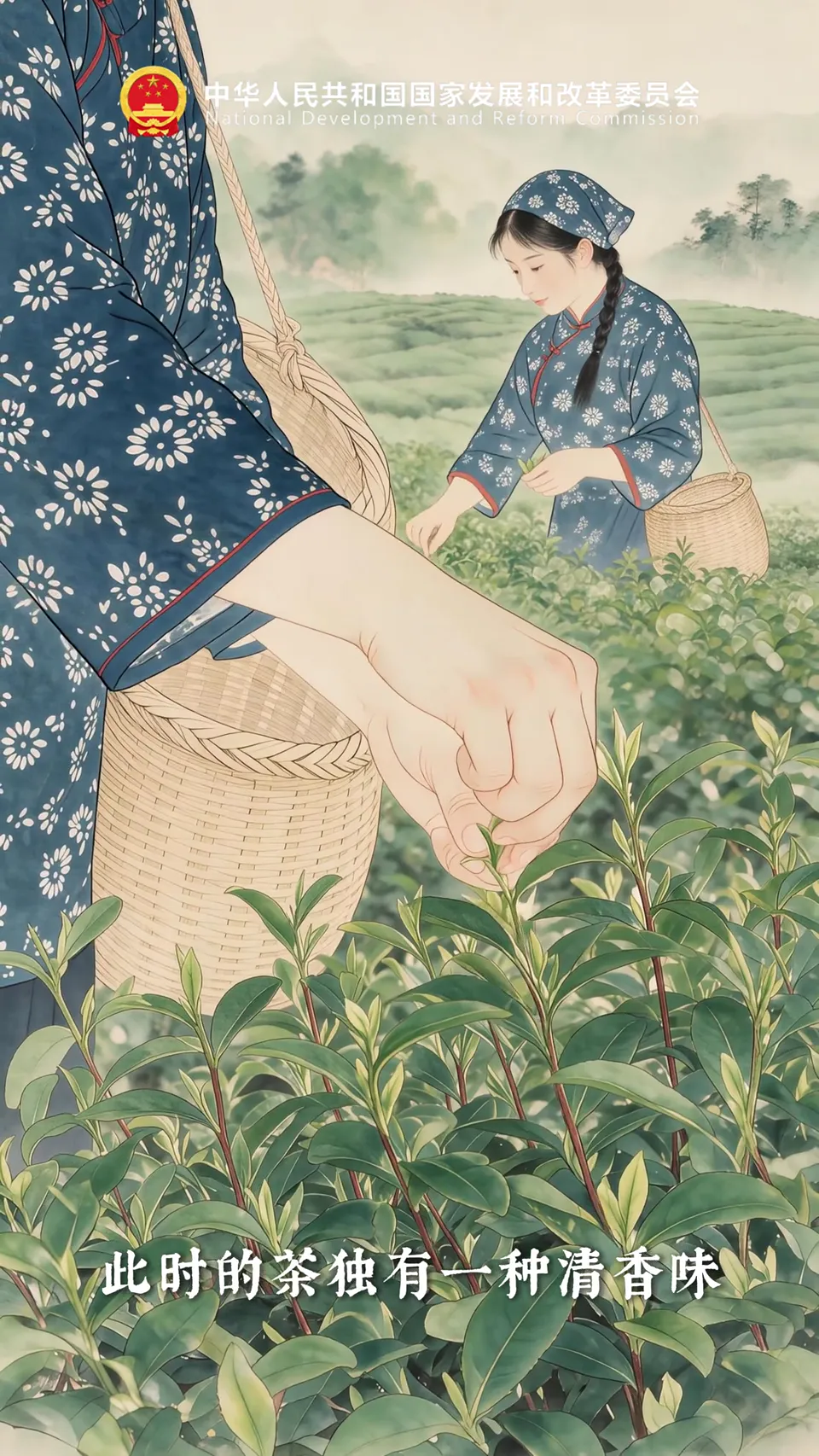
Picking Tea
In the foreground, a hand in a blue printed-cloth sleeve pinches tender buds from the top of a tea bush, a bamboo basket at her side; behind her, a young woman in a blue headscarf is also bent over picking tea.
Clip · 00:17–00:20
Pouring From a Purple Clay Teapot
The shadow of a lattice window falls across the tea table as a purple clay teapot pours tea into a celadon cup, wisps of steam rising, with bamboo outside the window.
Film · 00:20–00:32
What to Eat at White Dew: Longans and Walnuts
For “longans are a must at White Dew” and “walnuts are in season,” each food is shown from the tree to the table.
Clip · 00:20–00:24
Longans on the Branch
Bunches of longans hang heavy on the branches against a blue sky with white clouds, the leaves swaying gently in the wind.
Clip · 00:24–00:27
Peeled Longans
A few longans sit in a celadon dish by the window, some with their shells peeled open to reveal glistening translucent flesh, with a few green leaves hanging beside them.
Clip · 00:27–00:32
Walnuts and Red Dates
Walnuts still in their green husks, walnuts cracked open to show the kernels and a few red dates are laid out on a wooden table, with a rough earthenware bowl behind them.
Film · 00:32–00:44
Misty Mountains, a Village Drying Its Harvest
For the closing line “The cool wind arrives, autumn dew forms, and heaven and earth, clear and mild, fill with the joy of harvest,” the first half goes to mountains in morning mist and the second half to a village with rooftops covered in drying peppers and grain, followed by the NDRC end card.
Clip · 00:32–00:37
Mountains in Morning Mist
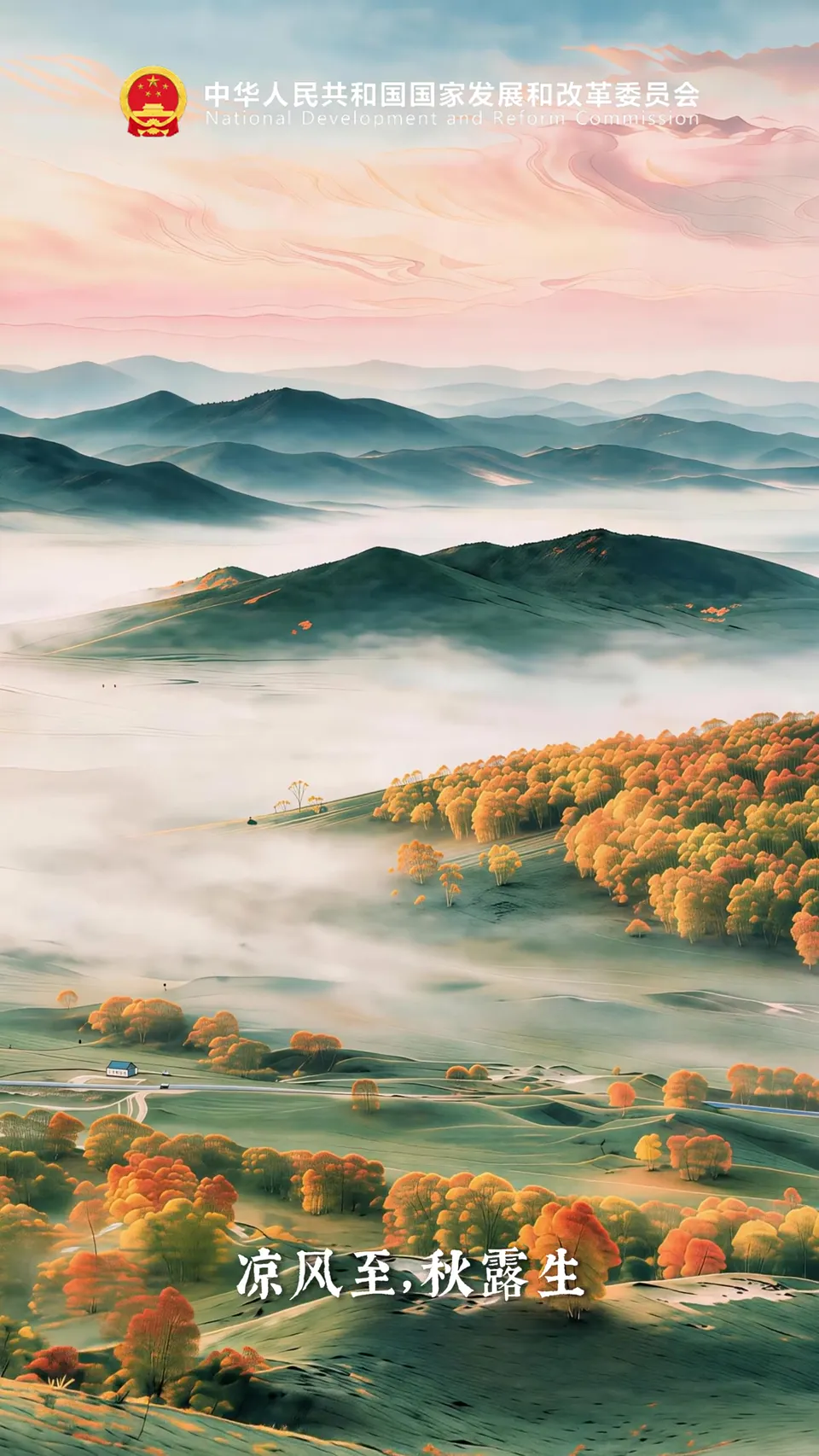
Pinkish-purple clouds glow on the horizon, white mist flows through the valley, and the woods on the slopes have already turned golden and orange-red.
Clip · 00:37–00:41
Drying the Harvest on Rooftops
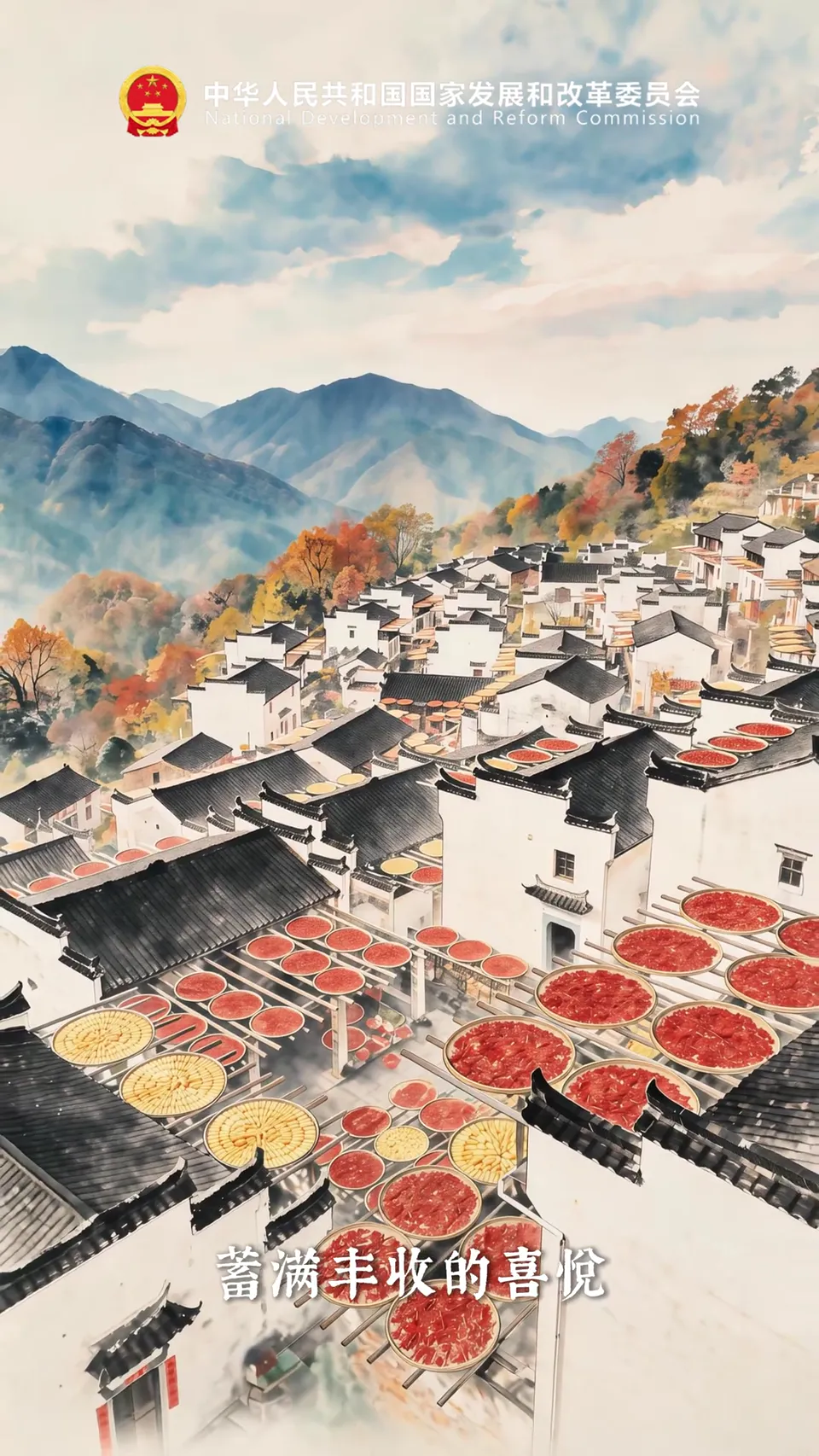
A village of white walls and black tiles climbs the hillside, red peppers and yellow millet spread out in drying trays on the rooftops, with green mountains rolling into the distance. The camera keeps pulling back without pushing in.
04 / Storyboards & Final Frames
Ten shots, all painted in gongbi with light washes.
The White Dew episode was broken into ten shots following the narration, each in gongbi with light color washes. They are listed below in the order of the finished film, alongside the final frames used in the film.
01
Sunrise and Dew
In the film · 00:00–00:09
Shot 1.1
Sunrise Over the Sea
Rocks in the sea, a red sun and blue waves painted in gongbi with light washes, the sky clean with nothing but the morning glow.
Sunrise Over the Sea · Final 1
Shot 1.2
Dew on Osmanthus
Osmanthus flowers and leaves covered in dewdrops, matching “dew condenses and turns white.”
Dew on Osmanthus · Final 1
02
From Tea Hills to Teacup
In the film · 00:09–00:20
Shot 2.1
Tea Hills in a Sea of Clouds
Terraced tea gardens spread layer upon layer through a sea of clouds, dotted with autumn trees and a small white-walled house.
Tea Hills in a Sea of Clouds · Final 1
Shot 2.2
Fingertips Picking Tea
A hand in the foreground pinches off tender buds as a young woman behind bends to pick tea.
Fingertips Picking Tea · Final 1
Shot 2.3
Pouring Tea by the Window
In a garden tearoom, a purple clay teapot pours tea into a celadon cup as steam rises, with bamboo outside the window.
Pouring Tea by the Window · Final 1
03
Seasonal Fruit
In the film · 00:20–00:32
Shot 3.1
Longans on the Branch
Bunches of longans weigh down the branches against a blue sky.
Longans on the Branch · Final 1
Shot 3.2
Peeled Longans
Peeled longans in a celadon dish, the flesh glistening, with green leaves hanging by the window.
Peeled Longans · Final 1
Shot 3.3
Walnuts and Red Dates
Walnuts in green husks, walnut kernels and red dates, with edges painted softly to match the brushwork of the shots around them.
Walnuts and Red Dates · Final 1
04
Misty Mountains and Harvest Drying
In the film · 00:32–00:41
Shot 4.1
Mountains in Morning Mist
Pinkish-purple clouds, white mist in the valley and golden and orange-red autumn woods, with the colors of the different stands of trees unified.
Mountains in Morning Mist · Final 1
Shot 4.2
Drying the Harvest on Rooftops
A village built against the hillside, with red peppers and yellow millet spread in drying trays on the rooftops.
Drying the Harvest on Rooftops · Final 1
05 / Script Excerpts
A line from the film's script.
Copy
The cool wind arrives, autumn dew forms, and heaven and earth, clear and mild, fill with the joy of harvest.Closing line of the White Dew script
06 / Results
Giving early autumn both scenery and details you can get close to.
We completed a roughly 44-second vertical short for White Dew in a gongbi style. The film strings dewdrops, osmanthus, tea hills and seasonal fruit into one continuous picture of early autumn, with a distinctive art style that still stays consistent with the series.
Case Study
Liandan AI Studio × NDRC | White Dew: Painting an Entire Solar Terms Film as a Gongbi Scroll With Light Washes
White Dew is when the weather turns cool and dew begins to form at night.
The earlier solar terms films all used realistic imagery. For White Dew, we wanted autumn to feel a little “lighter.”
We made the White Dew episode for the 24 Solar Terms series: about 44 seconds, 10 shots, from a sunrise over the sea to harvests drying on rooftops, with the entire film painted in gongbi with light color washes.
Client
National Development and Reform Commission (NDRC)
Project Type
24 Solar Terms explainer short series · White Dew episode
Timeline
Produced in late August 2026, delivered September 4, ahead of White Dew on September 7
Runtime & Specs
About 44 seconds · Vertical 2160×3840 · 10 shots · Gongbi style with light color washes
Deliverables
White Dew short, cover poster (including motion version), landscape banner
Distribution
The series is published on WeChat Channels, Douyin, Kuaishou, Bilibili and other platforms
Produced by
Shenzhen Alchemy Technology Co., Ltd. (Liandan AI Studio)
01
First a photo, then a gongbi painting
The posters for Start of Autumn and End of Heat had already used a gongbi texture; for White Dew, we switched the whole short to this style too: clear lines and light colors, like a painting slowly unrolling.
But we didn't start by painting. For each shot we first produced a realistic image to pin down the composition, season and objects: where the tea hills sit, how thick the sea of clouds is, whether the walnuts are in green husks or cracked open. Once that was confirmed, we repainted the whole image in gongbi with light washes.
Step one: a realistic image to set the position of the tea hills and sea of cloudsStep two: repainted in gongbi with light washes for the finished film
All ten shots needed to look as if painted by the same hand. After repainting, the lines in the walnut shot were a little hard, so we softened the edges; in the misty mountain shot, several stands of trees didn't match in color, so the final version unified them in gold and orange-red.
02
The words “White Dew” land on dewdrops on a spray of osmanthus
The name White Dew is about mornings and evenings turning cool and white dew forming on plants. So for the shot that names the solar term, we chose a spray of osmanthus covered in dewdrops: pale yellow flowers, blue-green leaves, and every water droplet clearly painted.
Next comes White Dew tea. The images move from tea gardens in a sea of clouds on the hills, to a hand pinching off a tender bud, to a purple clay teapot pouring into a celadon cup by the window: three shots tell where the tea comes from and how it enters daily life.
Clip · 00:14–00:20
Picking Tea, Then Pouring It
From tender buds on top of a tea bush to a steaming cup of tea by the window.
For the move from the tea hills to the tea picking, we tried a single continuous push-in from an extreme wide shot to a close-up of the hand. But this line of narration is only five seconds long, and the camera had too far to travel, so it looked rushed. In the end the picking shot became a straight cut, and the pacing of the images and the narration both settled down.
03
Longans and walnuts: from the tree to the table
The narration says “by folk custom, longans are a must at White Dew” and “walnuts are in season.” Viewers know both well but rarely look at them closely.
For the longans, we first showed bunches hanging on the branch, then peeled fruit on a plate by the window, the flesh glistening white. The walnuts appear in three forms: in green husks, in shells, and cracked open to show the kernels, with a few red dates beside them.
Peeled longans with glistening fleshWalnuts in green husks, walnut kernels and red dates
Gongbi painting suits still lifes like these: the grain of a shell, the sheen of the fruit and the glaze of a porcelain dish can all be rendered stroke by stroke.
04
Even which word the ending cuts on matters
The closing line is “The cool wind arrives, autumn dew forms, and heaven and earth, clear and mild, fill with the joy of harvest.” The first half goes to mountains in morning mist, the second half to a village with rooftops covered in drying peppers and millet.
We specifically adjusted where the two shots change: the cut comes after the whole phrase “heaven and earth, clear and mild” has been spoken, not in the middle of a word. The harvest-drying shot keeps pulling back to the end without pushing in, opening up the view bit by bit.
Clip · 00:37–00:41
Drying the Harvest on Rooftops
Red peppers and yellow millet spread in drying trays close the film.
For the closing line and the cover line, the team first wrote several versions, then chose ones that didn't repeat earlier episodes. The cover line became “Wild geese cross the sky in clear autumn light; osmanthus scent fills the fields as the year rests in peace.” We prepared five cover posters with different main images and chose the osmanthus dewdrops, then made a landscape banner and a motion cover.
White Dew poster: osmanthus dewdrops within a torn-paper border, with a calligraphy title and cover line
The value of this episode is that it kept a series already on its fifteenth solar term feeling fresh: the content is still seasonal knowledge, but the style switched to gongbi with light washes, and every image was first matched to the season before being made beautiful.
FAQ
FAQ
Can AI video be made in traditional Chinese painting styles like gongbi or watercolor?
Yes. The entire White Dew short is in gongbi with light color washes: for each shot we first produced a realistic image to set the composition and objects, then repainted the whole image as a gongbi painting, and finally generated the motion from the repainted image. Lines that were too hard or colors that didn't match were fixed shot by shot, so all ten shots look like the same brushwork.
How do you decide on transitions between shots: a continuous push-in or a straight cut?
It depends on the length of the narration and the distance the camera has to cover. For White Dew we tried a continuous push from an extreme wide shot of the tea hills to the picker's hands, but that line is only five seconds long and the images would have moved too fast, so we switched to a straight cut. The final cut comes after a full sentence is spoken, and the last shot keeps pulling back without pulling back.
How do you create the cover poster for a solar terms short?
We first make several covers with different main images from the finished film and compare them side by side. For White Dew we prepared five; after choosing the osmanthus dewdrops, we added the cover line “Wild geese cross the sky in clear autumn light; osmanthus scent fills the fields as the year rests in peace,” extended it into a landscape banner, and made a motion cover.
How long does one solar terms short take from receiving the script to delivery?
For White Dew, we started writing the script and breaking down shots in late August; the team wrote several versions of the closing line and cover line before choosing; and on September 4 we delivered the short, poster and landscape banner as a package, ahead of White Dew on September 7.
Approach
Unify the brushwork first, then arrange near and far layers.
We first decided what seasonal content each of the ten shots would show, then repainted them scene by scene in a consistent gongbi style with light washes. The fruit and plants keep their recognizable features, while the edges of the walnuts and the outlines of the village were slightly softened so that harsh lines wouldn't break the overall style.
While making the motion, we checked both small movements and camera direction. Tea picking, pouring, steam and mist were kept to subtle changes, and the ending used first and last frames to control the pull-back, keeping it continuous and avoiding a sudden push-in after pulling back.
Beyond the video, we also made a vertical poster and a landscape banner in the series layout. The main image is osmanthus and dewdrops, with text and image on separate layers, and the landscape version's composition was rearranged for its format.