Find a through-line instead of listing sights
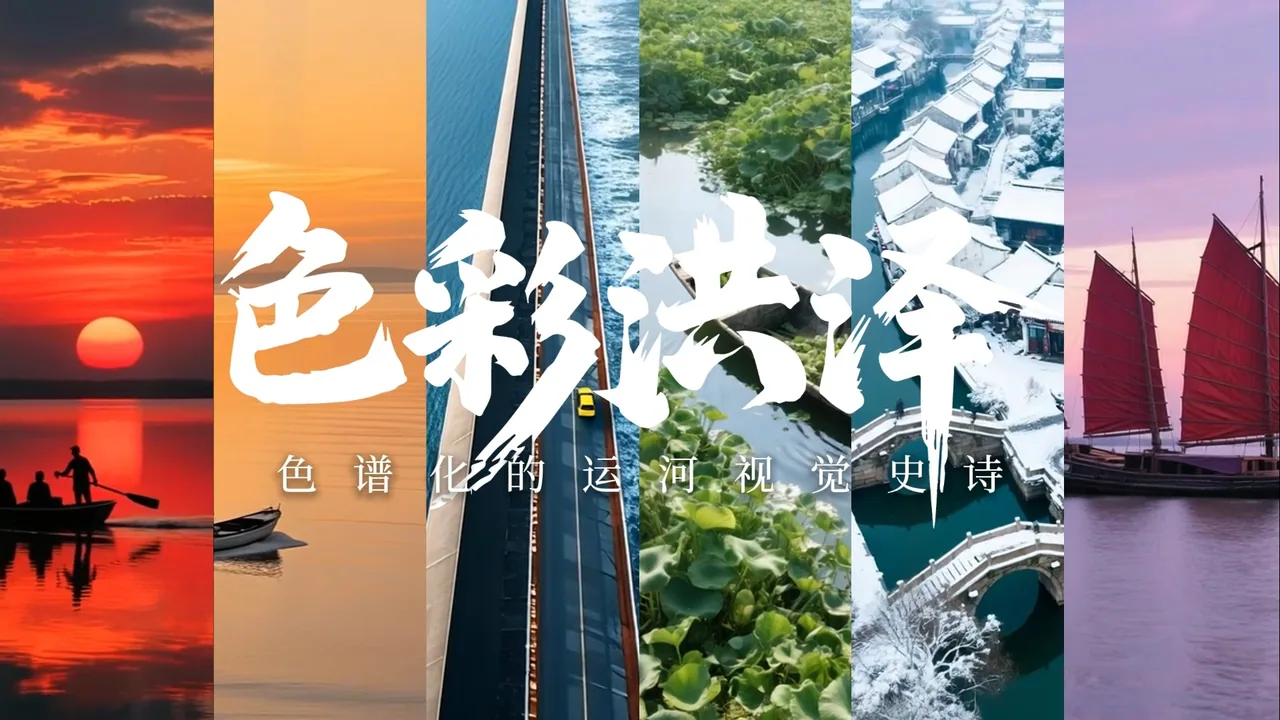
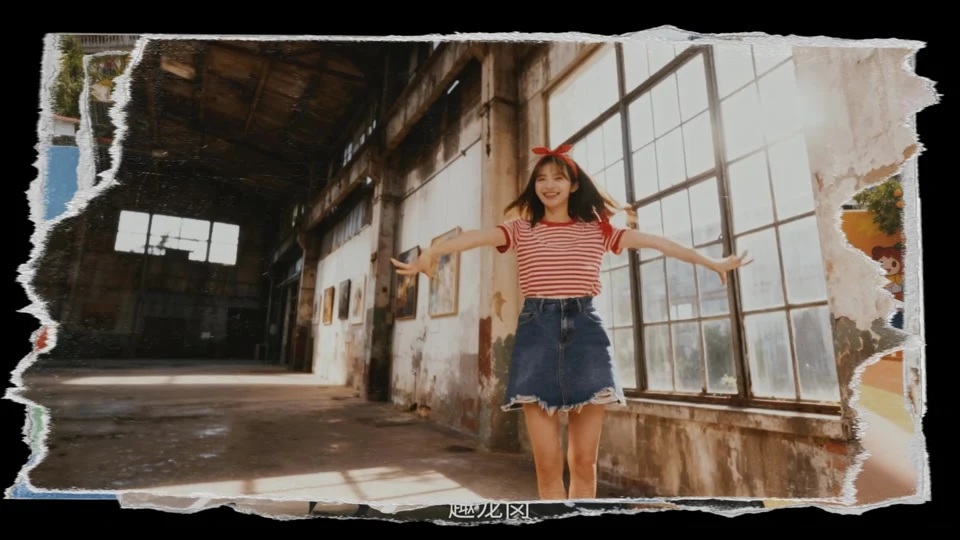
Showing one sight after another leaves viewers remembering nothing. So we find a through-line first: Colors of Hongze is organized into six chapters by six traditional colors; the Liaocheng film uses “transportation” to link canal shipping with the Xiong'an–Shangqiu High-Speed Railway; and Longgang Is Fun follows one young woman, with question-and-answer lines like “Want to party? Go have fun at Dayun!” introducing each place.
Make sure people recognize the place
However beautiful an AI image is, it fails if people can't tell where it is. We first gather real photos of landmarks and sights, match building shapes, colors and proportions against them, and then add place-name captions. In Colors of Hongze, even the number of sails on the Hongze Lake five-sail boats was checked one by one.
Real footage you already have, such as aerial shots or guest greetings, can be edited together with the AI segments. In the Haidian District promo, some of the company buildings and aerial shots came from footage the client provided.
Shots AI can do that are hard to film
These are the kinds of shots where AI adds the most:
- The same place in every season, in sunshine and at night, without waiting
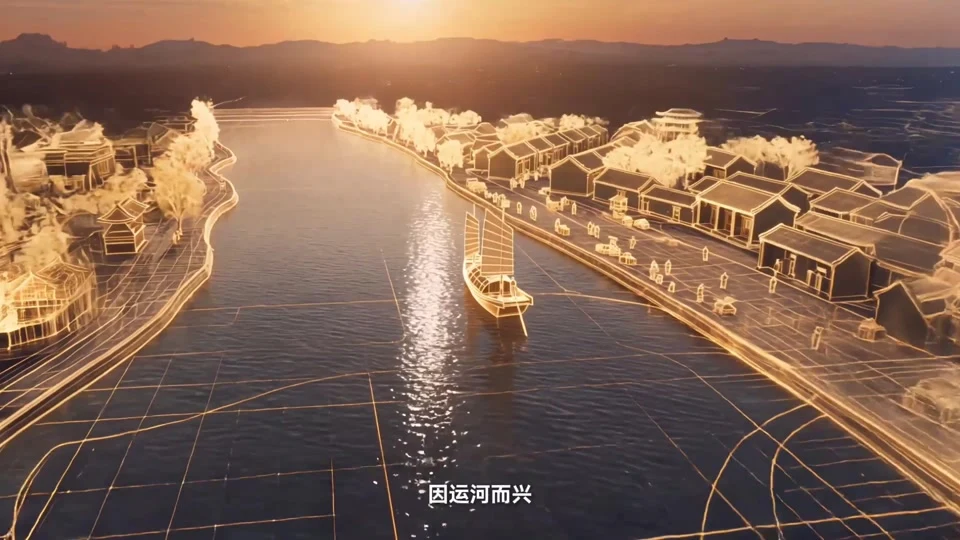
- Past and present: ancient canal barges cut to today's high-speed rail station
- City fantasies: a steampunk Longgang, or local heritage in a Chinese-style scroll
- Continuous one-take journeys through the city
- Scattered sights brought together in one look
Where it plays and which versions you get
Tourism films usually play on websites, event screens, WeChat Channels and Douyin. Tell us the use and aspect ratio at the start, whether landscape, vertical or several sizes, and we produce for each channel together.
Districts and subdistricts that publish all year can set the look, main characters and opening and ending first, then release films one by one. That is how ten city films for the Publicity Department of CPC Longgang District Committee, Shenzhen, became one series.