Classic film and TV clips are restyled as hand-drawn animation, keeping the character relationships and movements intact to see whether the original scenes still hold up in a new style.
Project Type
Science & Tech
Client
Self-initiated style-transfer series
Year
2025
Our role
AI style transfer & editing of film clips
Original format
1468 × 1080 · 00:37
“Dream of the Red Chamber” Restyled00:37 · Film“Ne Zha” Restyled00:21 · Film“Journey to the West: Sequel” Restyled00:28 · Film“Romance of the Three Kingdoms” Restyled00:25 · Film“King of Comedy” Restyled01:26 · Film“The Bad Kids” Restyled00:44 · FilmThe Melon Stall Clip Restyled01:10 · Film
01 / Background
A New Art Style, the Same Dramatic Relationships
This series was made for Kuaishou Kling AI's “Ghibli style” themed campaign in April 2025, restyling classic film and TV clips as hand-drawn animation. The goal: let viewers rewatch famous scenes they know well in a new art style, with the character relationships, emotional turns and movements unchanged.
To choose the material, we first gathered famous film and TV scenes and clips that were already popular, then tested still-image restyling and motion on each. Period-drama dialogue, a seaside confession, a mountain encounter, a street quarrel and fiery action each had their own challenges: close-ups had to keep expressions readable, group scenes had to keep everyone distinguishable, and high-energy action had to keep its force and direction.
This page presents seven separate restyled works. Seen together, they show how the same hand-drawn style works across different kinds of scenes: the stories still come from the original films and series, and our work is the restyling and editing. “Ghibli style” here is a stylistic homage; there is no partnership with or license from Studio Ghibli, and copyright in the original footage belongs to its owners.
02 / Creative Highlights
How Restyling Carries the Dialogue and Action
01
Keeping the Rhythm of Dialogue Through Character Reactions
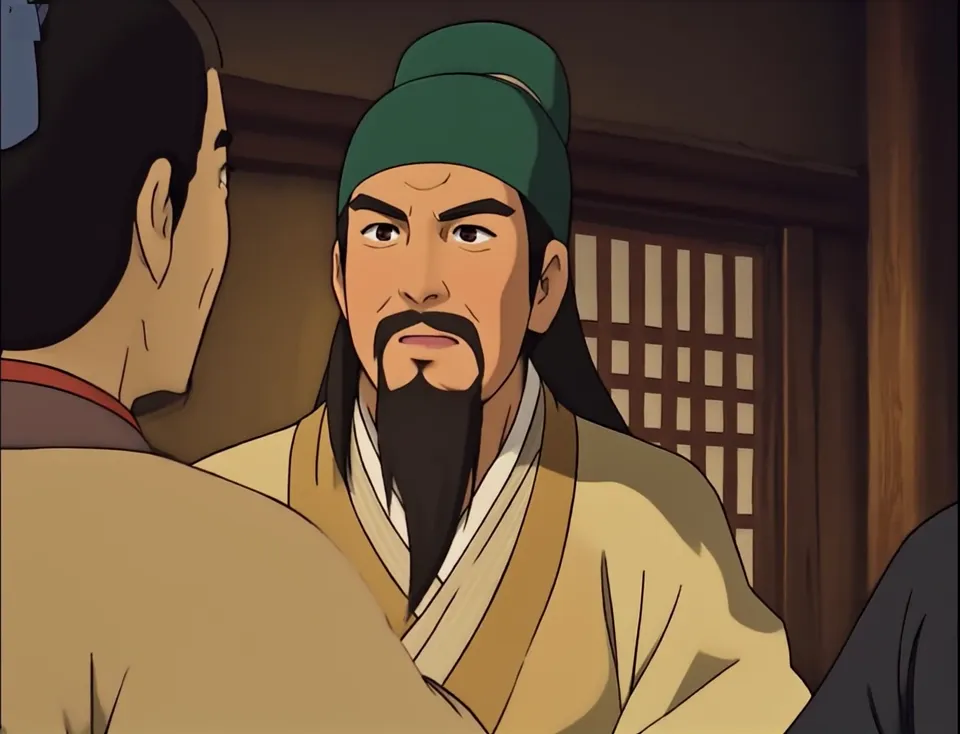
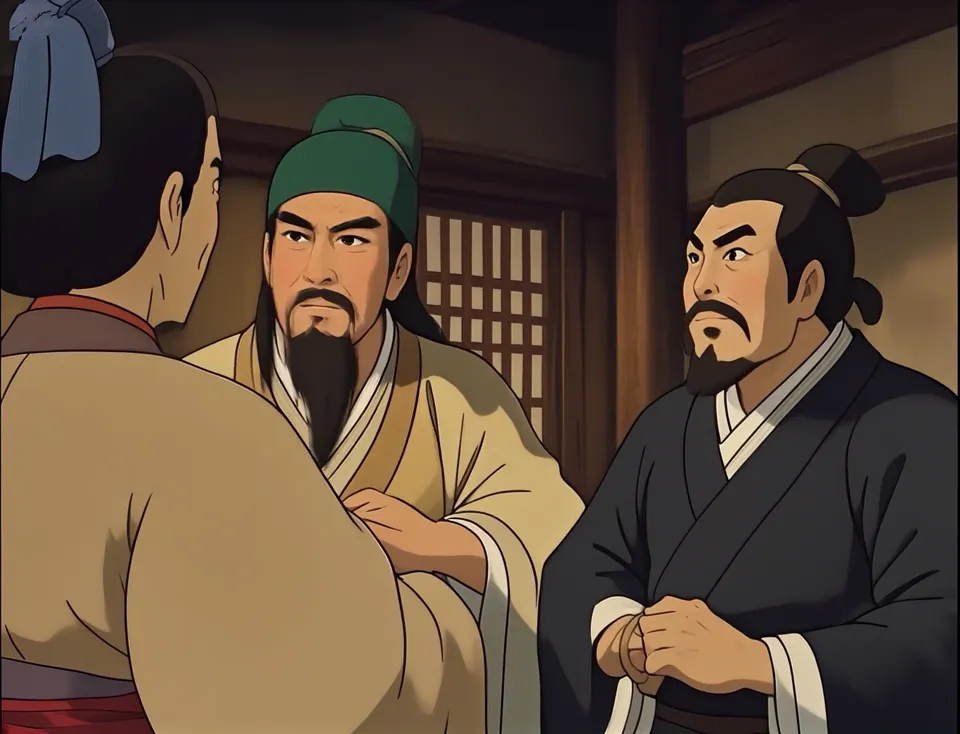
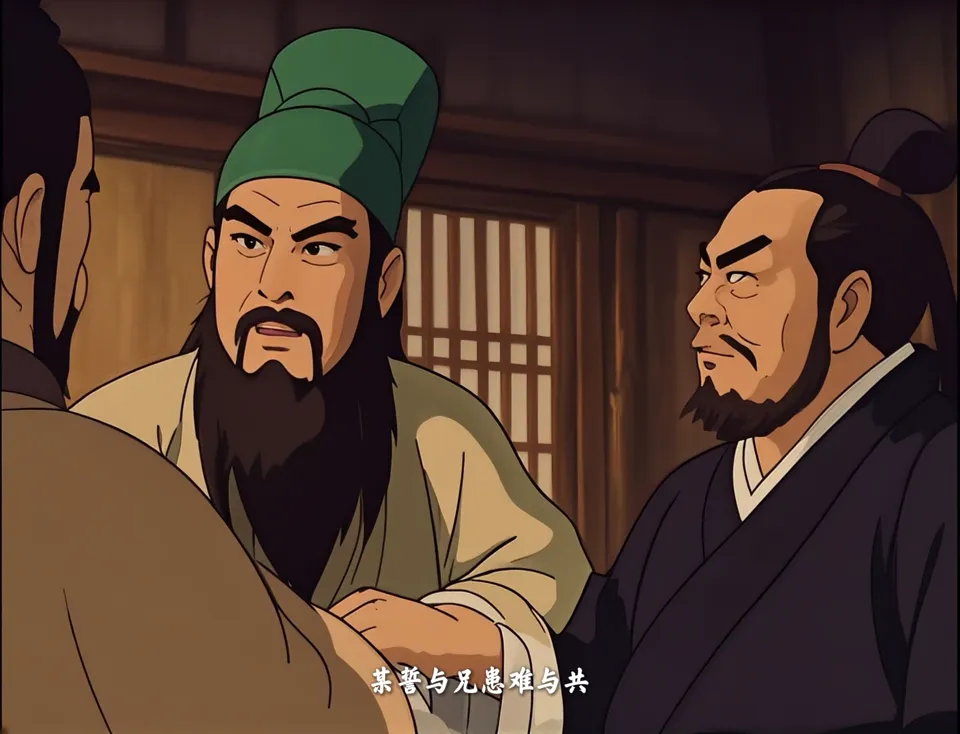
What makes a dialogue scene work is who's speaking and who's listening. “Romance of the Three Kingdoms” keeps the positions, costumes and cupped-fist salutes of Guan Yu, Zhang Fei and Liu Bei, cutting to a close-up of Liu Bei after Zhang Fei's reply. The art style changes the texture, but the characters' reactions still tell the story, and the familiar scene stays clear.
02
Showing Intimacy Through Expressions and Hand Gestures
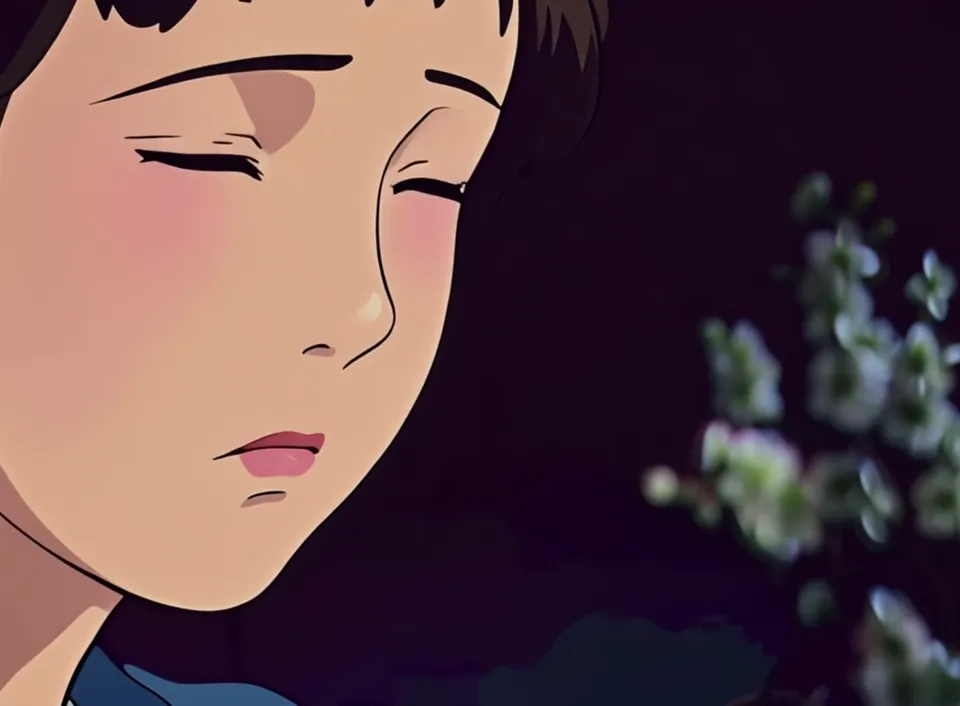
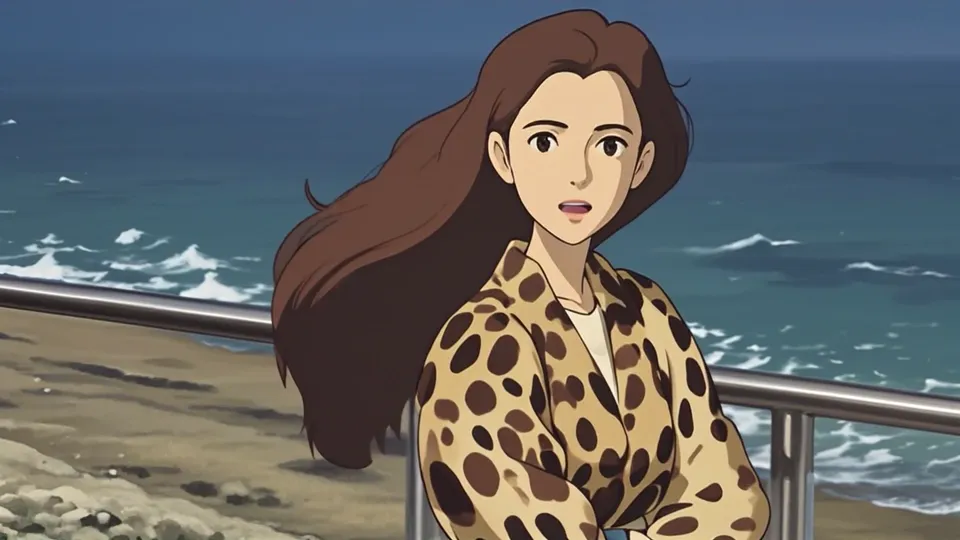
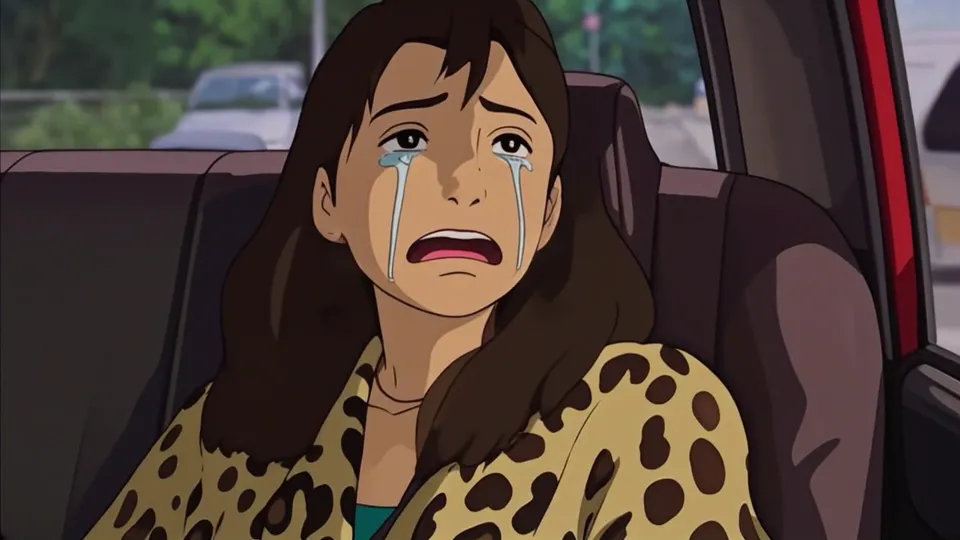
The close-ups, dabbing gestures and clasped hands in “Dream of the Red Chamber,” and the turning away, leaving and tears in the car in “King of Comedy,” all channel big emotional shifts into small gestures. Soft colors, sea breeze and interior light set the mood, and where the characters look at each other shows where their feelings are heading.
03
In High-Energy Clips, the Weight and Direction of Action Can't Be Lost
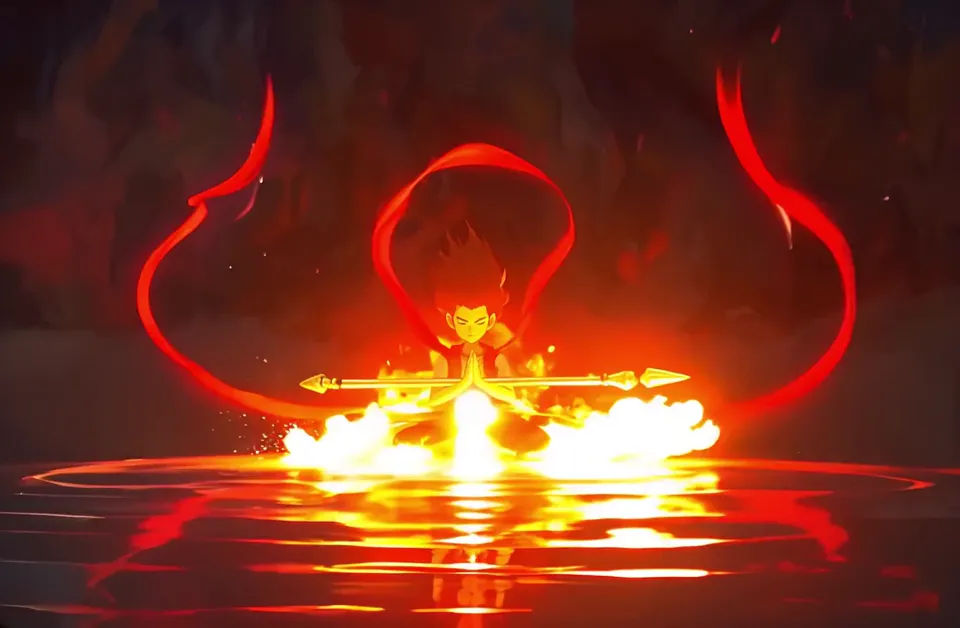
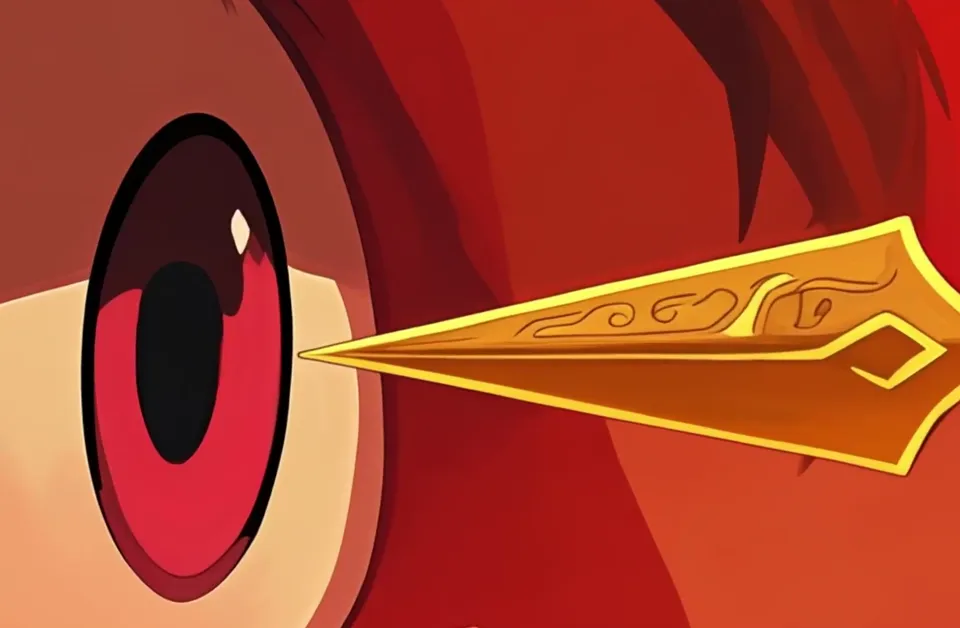
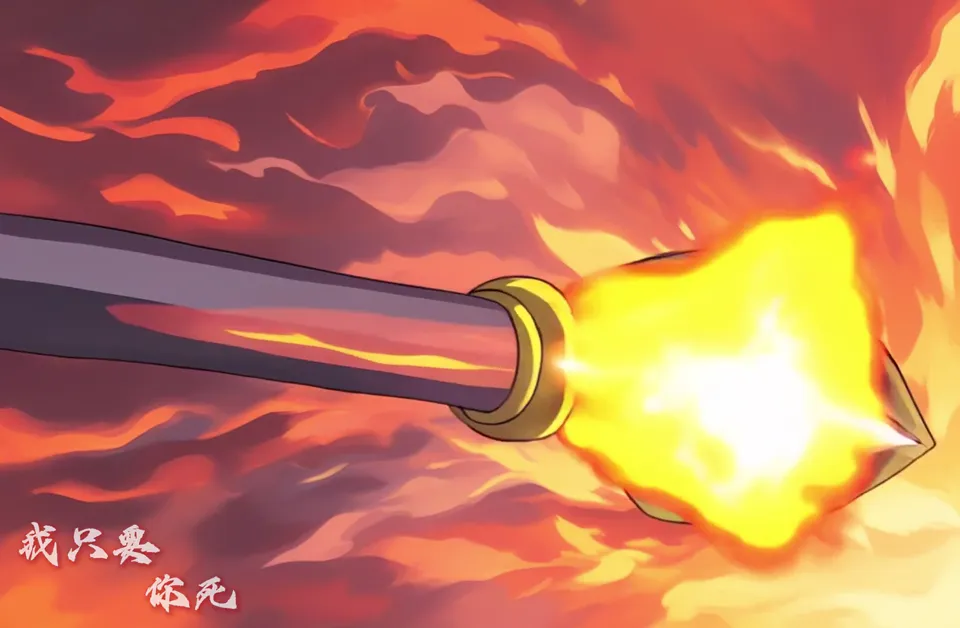
“Ne Zha” first anchors the center of the frame with a seated figure and a red sash, then lets orange-yellow flames spread out and reflect in the water before cutting to close-ups of the weapon and a glaring face. The character design and firelight keep the character recognizable throughout, and the force of the action doesn't rely on fast cutting alone.
04
Letting Props Guide the Scene Changes
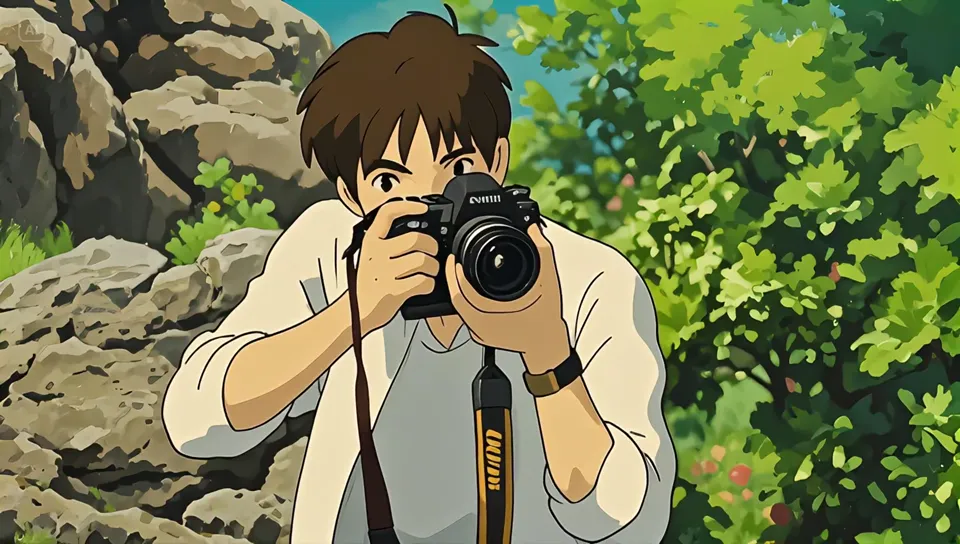
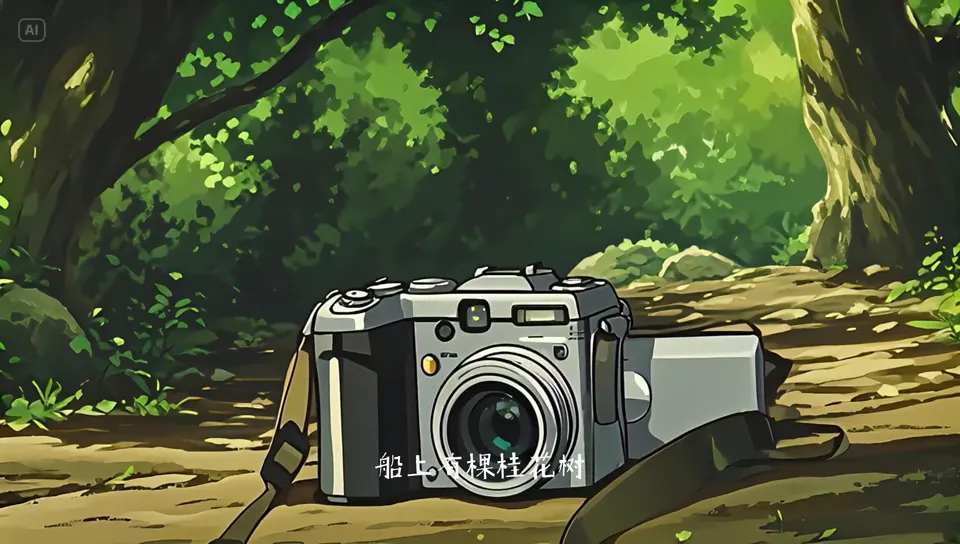
In “The Bad Kids,” a camera links the characters in the mountain woods; in the melon stall clip, a watermelon, a scale and a cut-open melon push the quarrel forward. These props keep their positions relative to the street, stall and rocks, so after the switch to animation, viewers can still follow why the scene changes.
03 / Scene Breakdown
Seven films: watching each scene, section by section, in its new art style.
Film · 00:00–00:37
“Dream of the Red Chamber”: Characters and Emotion
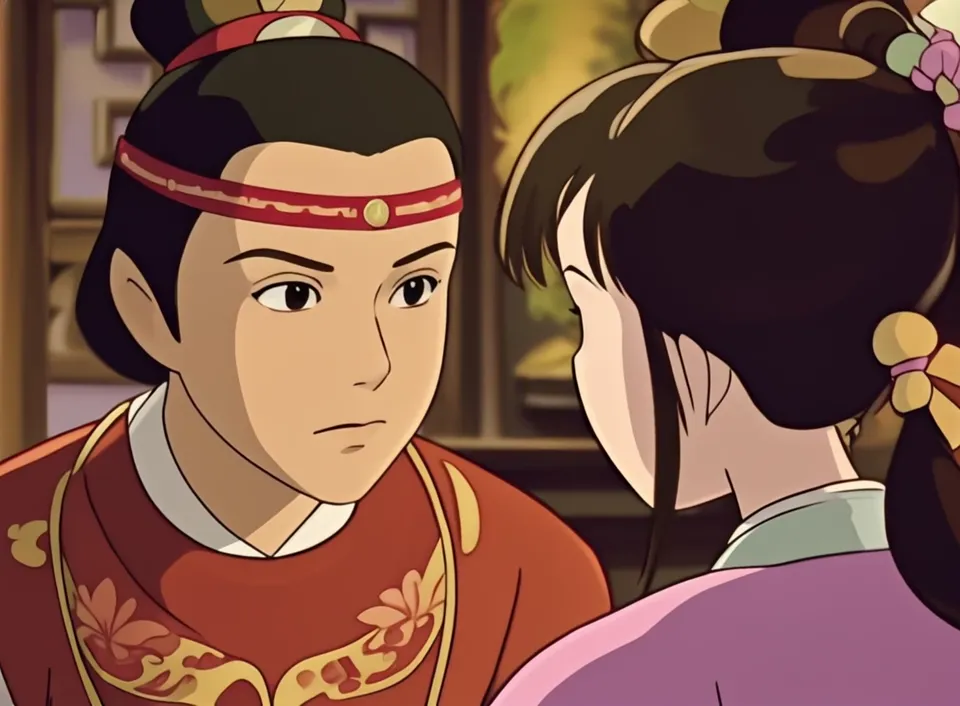
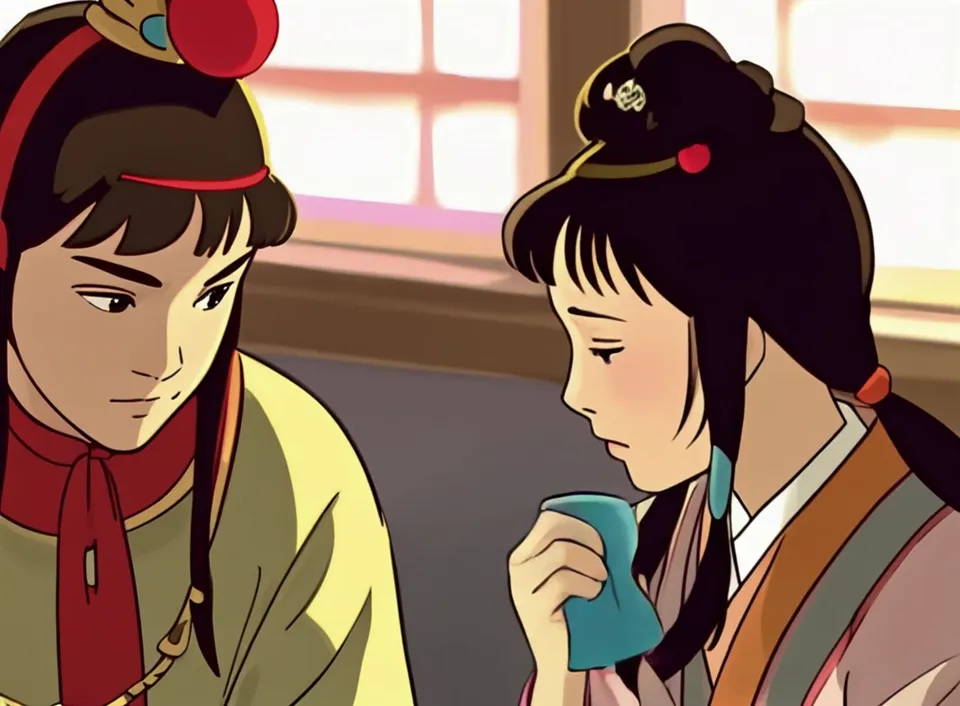
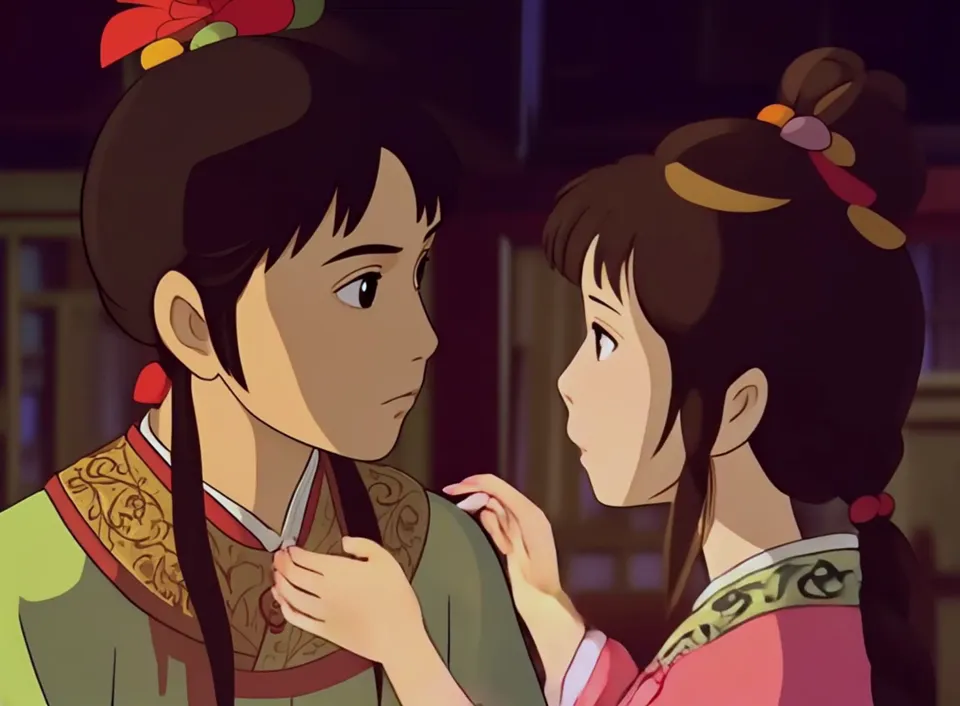
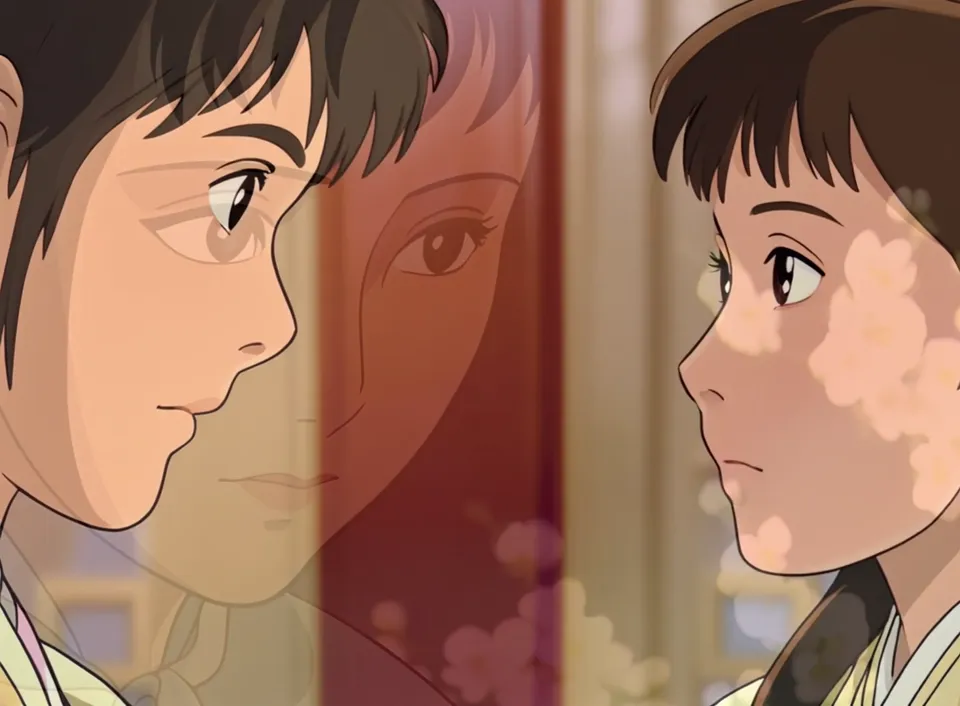
A music montage. Indoor exchanges of glances, a face covered by hands, a cheek caressed and hands clasped follow one after another, before the later part turns to white blossoming branches at night. The details of faces and hands are intact, and the feelings between the characters still come through in the new style.
Clip · 00:00–00:03
Exchanging Glances and Close-Ups
A youth in a red headband and a young woman face each other, then the image dissolves to a close-up of her; their clothing and the direction of their gazes are intact, so their relationship is clear at a glance.
Clip · 00:07–00:10
A Handkerchief and Leaning In
A young woman covers her face with a handkerchief as the youth watches beside her; the next shot shows a woman in red leaning in, smiling at the other.
Clip · 00:18–00:22
Cupping a Face and Wiping Tears
One raises a hand to cup the other's face, then the shot cuts to the other pressing a white handkerchief to her face; care and sorrow both rest in small hand gestures.
Clip · 00:25–00:28
Blossoming Branches at Night
At night, a white blossoming branch rests against a young woman's face as she speaks softly; the dark background makes her face appear brighter.
Clip · 00:34–00:37
Settling on Clasped Hands
The young woman closes her eyes, and the camera settles on one hand gently resting on another, the emotion moving from the face to the hands.
Film · 00:00–00:21
“Ne Zha”: Flames and Magic Weapons
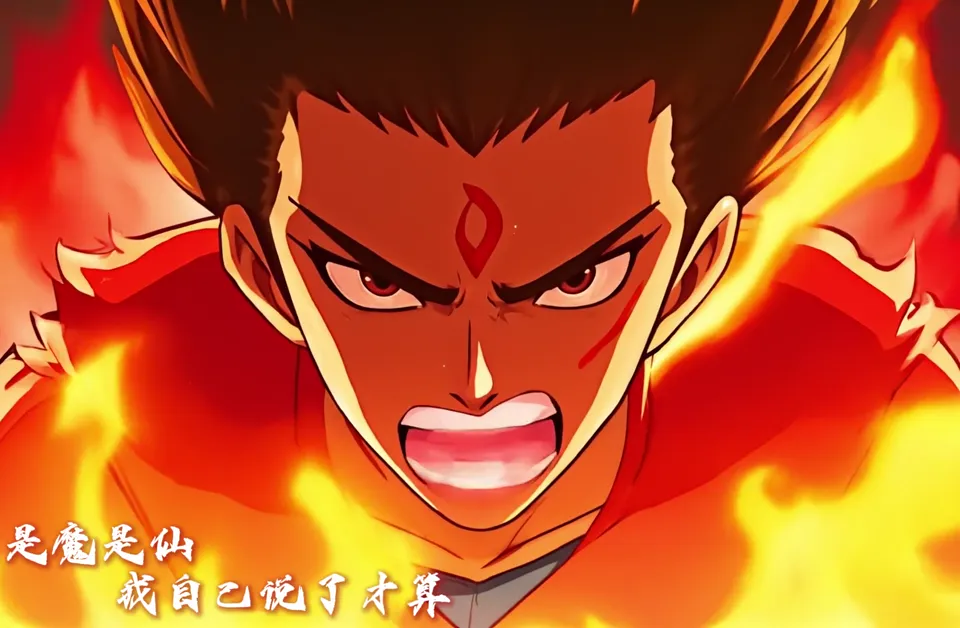
A high-energy action sequence. A figure sits on the water as flames explode from the center, followed by a dragon, a golden spear and a close-up of a glaring face; the red sash and firelight run throughout, keeping the direction of action clear.
Clip · 00:00–00:06
From Seated Stillness to an Explosion of Flame
The red sash and the seated figure first anchor the center of the frame, then orange-yellow flames spread bit by bit and reflect in the water; the restyled action clip still packs a punch.
Clip · 00:06–00:10
Dragon and Hero Face Off
A golden spearhead is reflected in his pupil, then the dragon lunges with open jaws as Ne Zha meets it with his spear, before cutting to a close-up of him gritting his teeth and glaring.
Clip · 00:11–00:14
Flames Unfurl Along the Spear
Flames burst from the spear shaft, the camera pushes along the golden spearhead, and Ne Zha charges out of the fire, spear in hand.
Clip · 00:16–00:21
From a Roar to a Clenched Fist
A frontal roar with a flame mark on his forehead, followed by a palm reaching toward the camera and closing into a fist, ending on his wide grin.
Film · 00:00–00:28
“Journey to the West: Sequel”: Emotional Montage
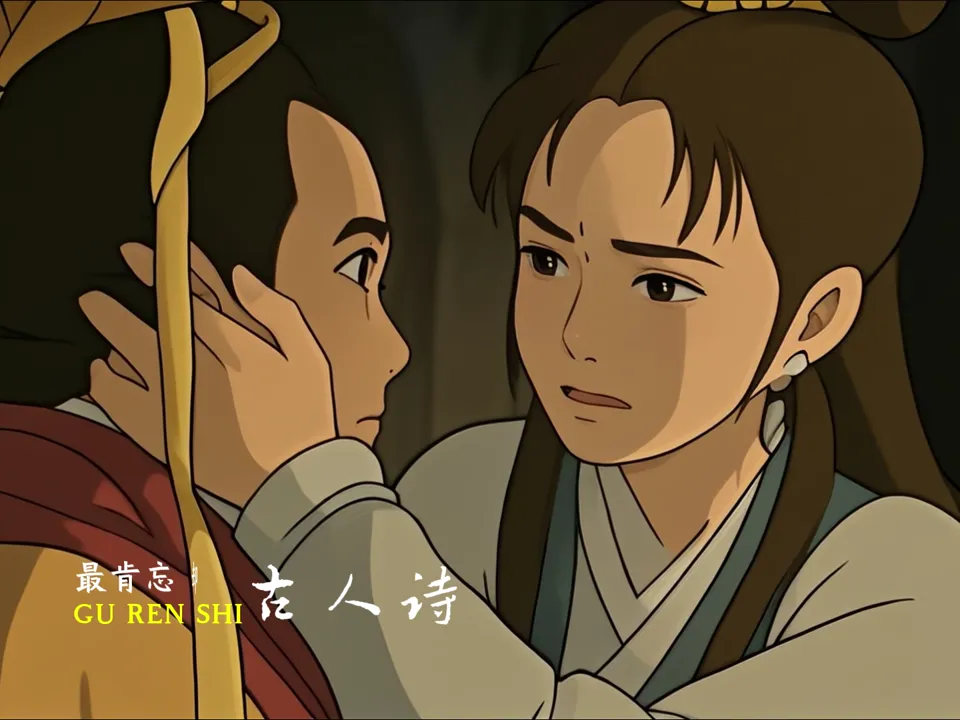
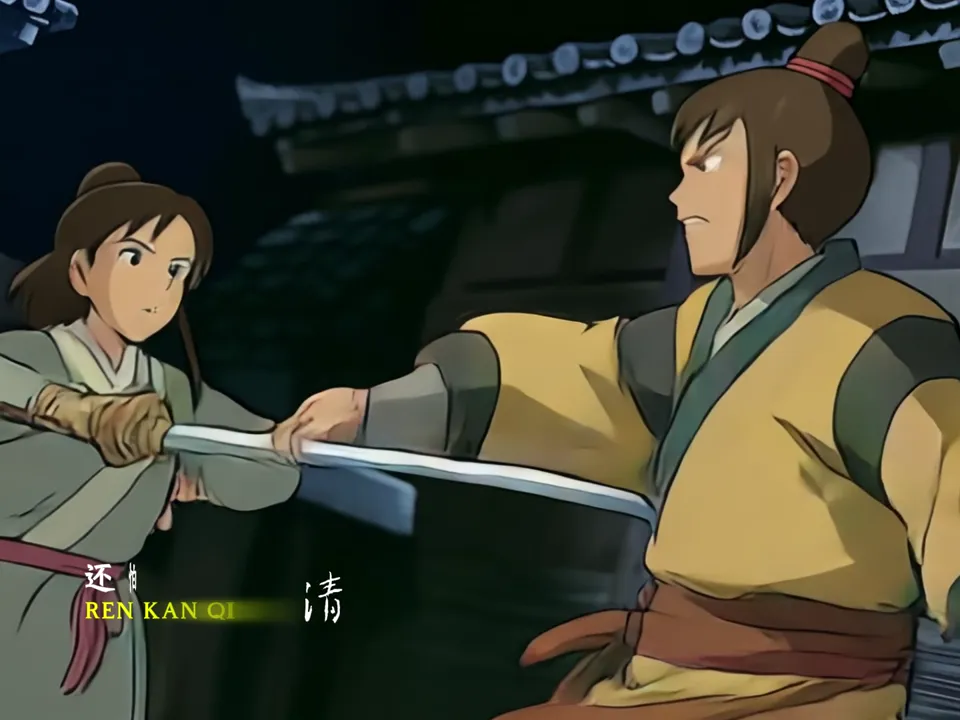
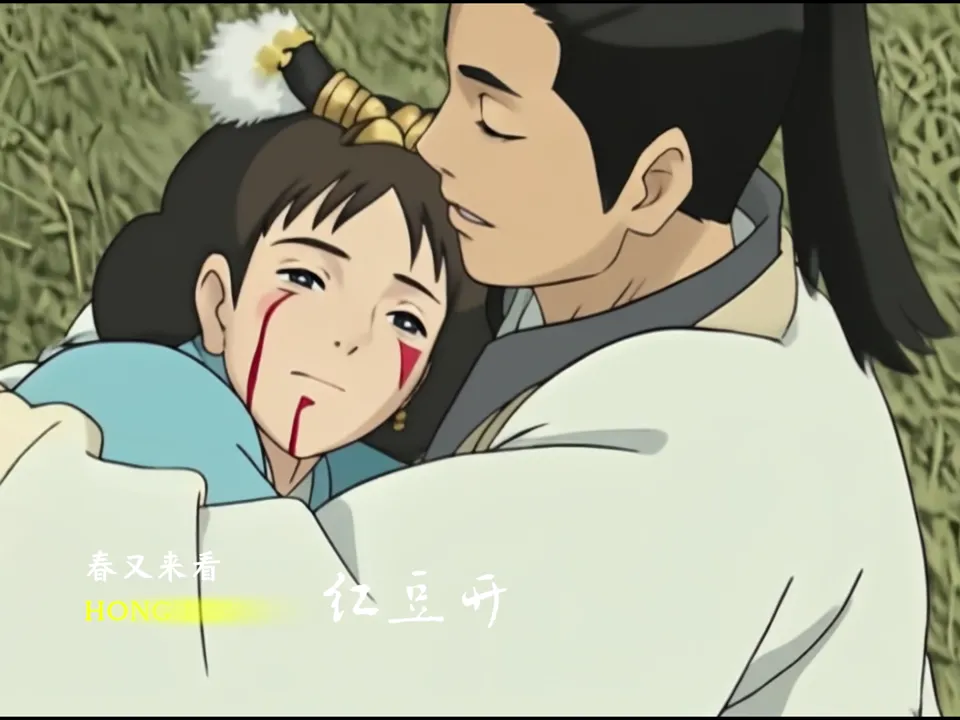
An emotional montage that follows the lyrics. An embrace, exchanged glances, a standoff with a sword held crosswise, an embrace on the ground and clasped hands appear one after another, with lyric subtitles at the bottom of the frame and the focus on the feelings between the characters.
Clip · 00:00–00:03
A Close-Up Embrace
A man cups a young woman's face and draws close as she closes her eyes and lowers her head; lyric subtitles slowly appear below.
Clip · 00:03–00:07
Eyes Closing and Opening
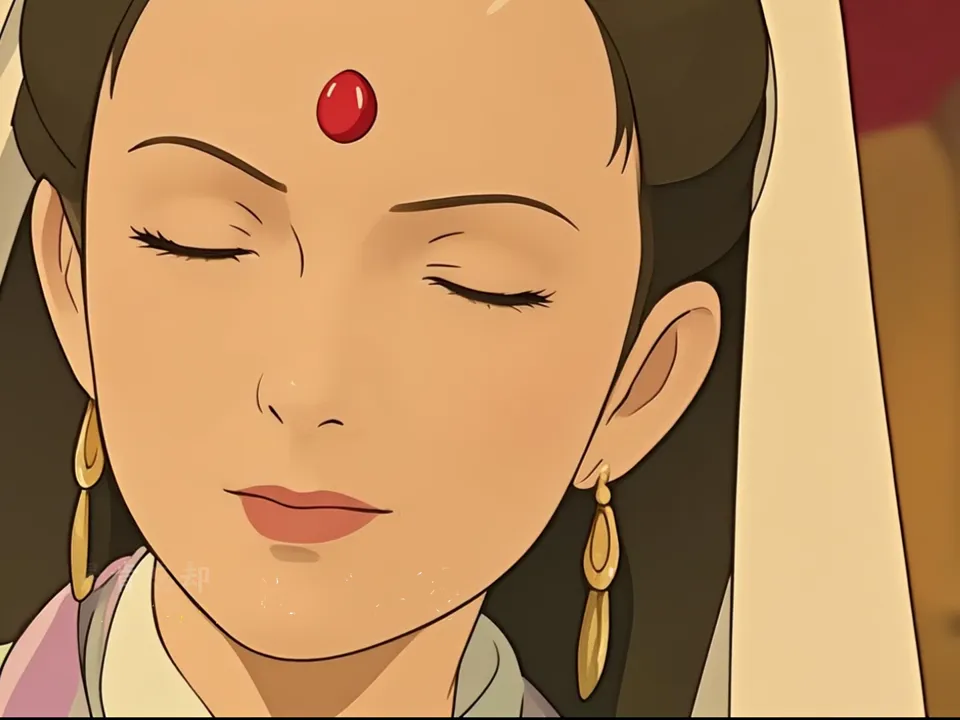
A young woman with a red dot on her forehead closes her eyes and opens them again; the quiet close-up lands right on the lyric “it's longing.”
Clip · 00:07–00:11
A Gesture Before the Curtain
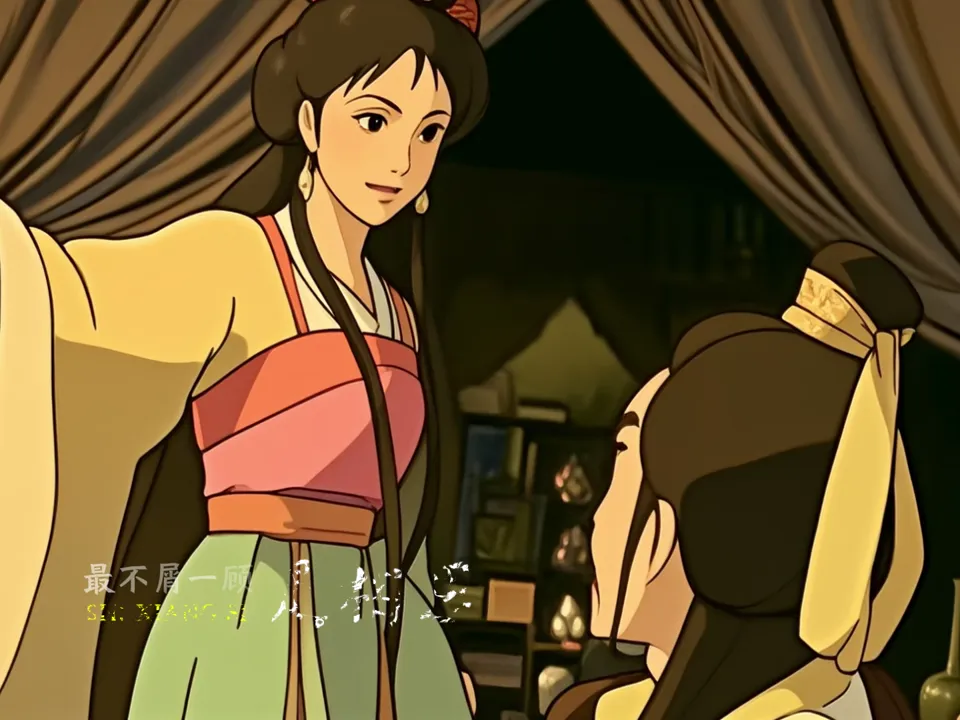
A young woman raises a hand as she speaks in front of a curtain, then rests her chin in her hand and smiles.
Clip · 00:11–00:16
A Sword Held Between Them
A long sword is held crosswise between the two, then the shot cuts to the monkey-faced character's reaction as he raises his sword.
Clip · 00:16–00:22
Embracing and Clasping Hands
The two lie on the grass in an embrace, a streak of blood on the young woman's face; then two pairs of hands grip each other tightly.
Film · 00:00–00:25
“Romance of the Three Kingdoms”: Same Here
A famous dialogue scene. Guan Yu swears oath after oath, Zhang Fei answers each time with “Same here,” followed by Liu Bei's reaction; costumes, positions and expressions all match the original scene, and the comic timing survives too.
Clip · 00:00–00:05
From a Close-Up to All Three in Frame
The camera slowly pulls back from a close-up of Guan Yu speaking, as Liu Bei, back to the camera, and Zhang Fei, on the right, enter the frame one after the other.
Clip · 00:08–00:13
Zhang Fei Salutes, Liu Bei Reacts
Zhang Fei cups his fists and says “Same here,” then the shot cuts to a close-up of Liu Bei's reaction; who's speaking and who's listening is clear at a glance.
Clip · 00:13–00:18
In Life and Death
Guan Yu vows to follow Liu Bei “in life and death” and reaches out to take his hand; a close-up of Zhang Fei follows with another “Same here.”
Clip · 00:18–00:25
May Heaven and Men Strike Me Down
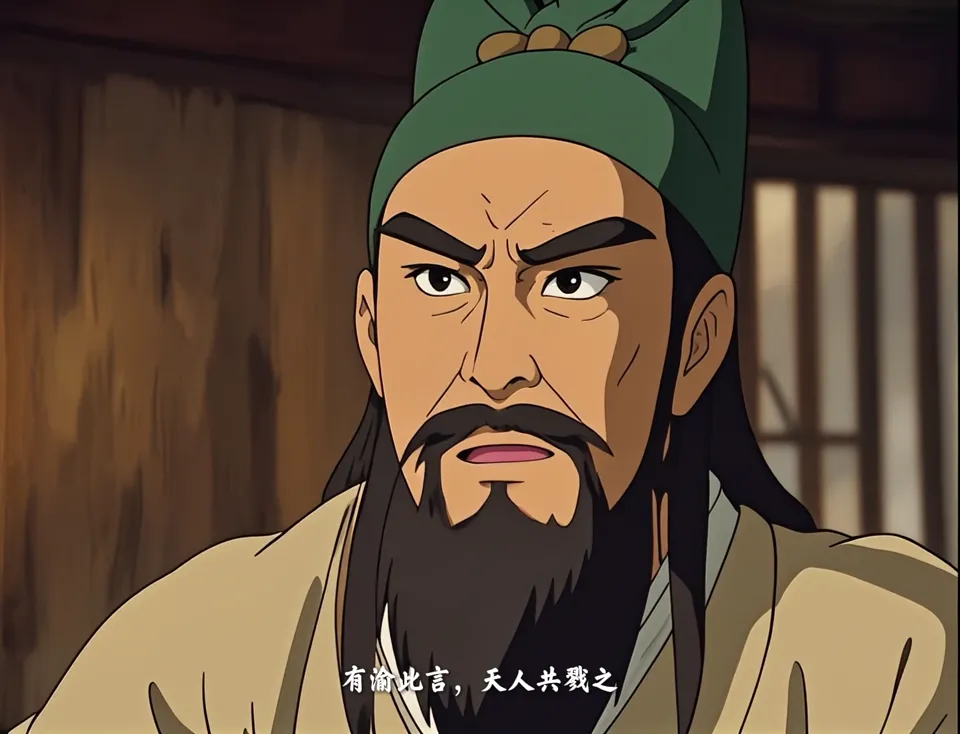
With a grave face, Guan Yu says “may Heaven and men strike me down,” Zhang Fei rests his chin in his hand and echoes him again, and the clip ends on Liu Bei's expression.
Film · 00:01–01:26
“King of Comedy”: A Seaside Confession
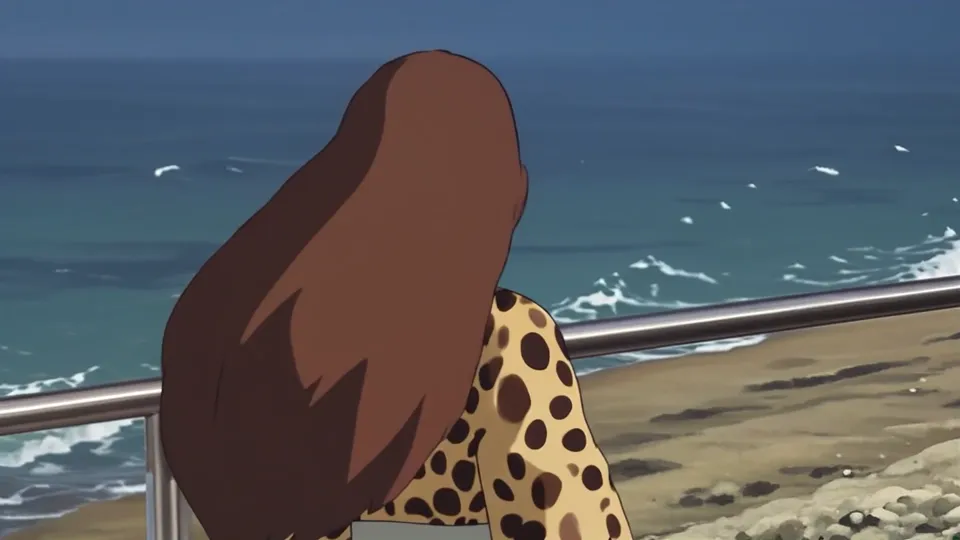
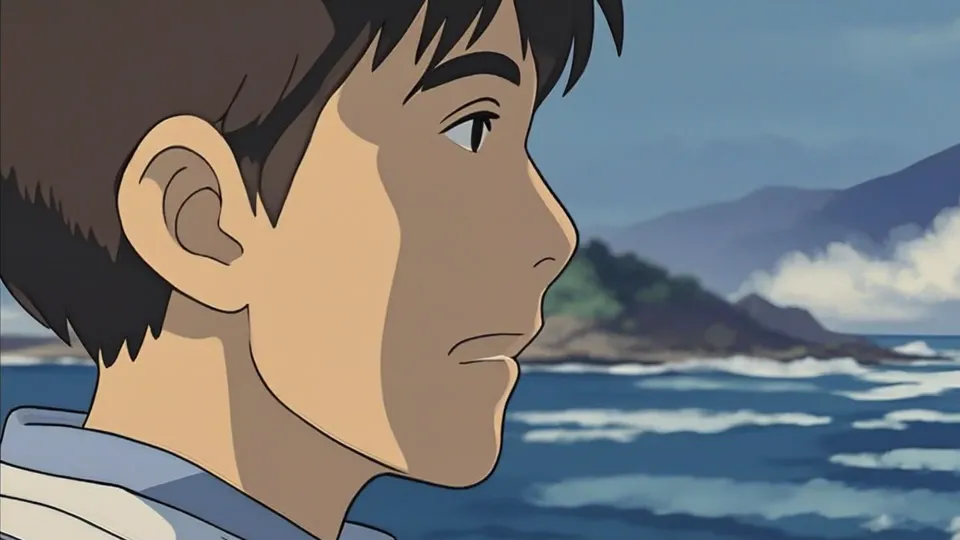
A back-and-forth by a seaside railing, the young woman turning to leave, the man calling after her, and finally tears in the car and the book in her hands; the shots get closer step by step as the emotion after the confession slowly rises.
Clip · 00:01–00:06
The Opening and the Seaside
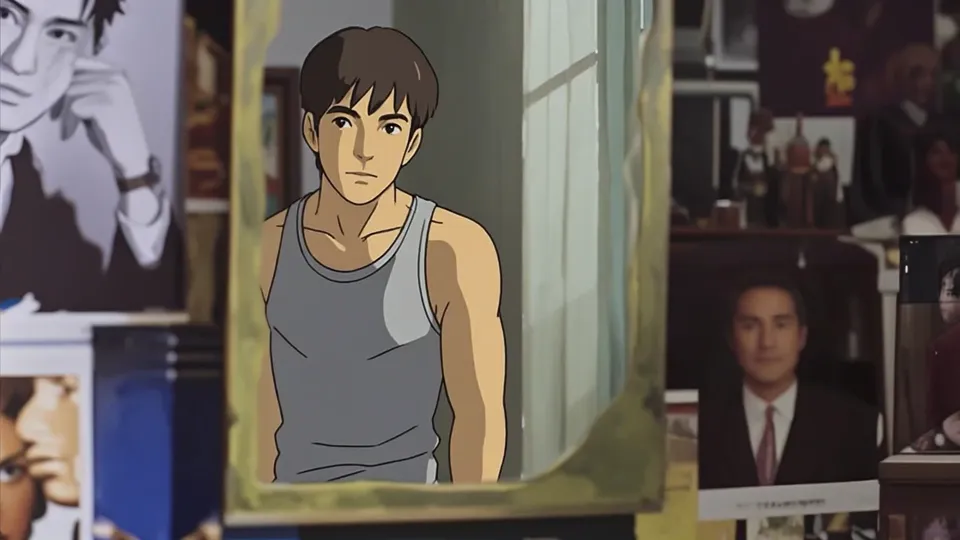
First the man looks out from beside an iron gate, then the shot cuts to the young woman speaking by the seaside railing, her hair blowing in the sea breeze.
Clip · 00:08–00:16
Talking Across the Railing
The two talk back and forth: the young woman with her back to the sea, the man standing in the shadow beneath a bridge.
Clip · 00:26–00:31
Turning to Leave
Having said her piece, the young woman turns, her back to the sea, and walks away up the slope as the man watches from behind.
Clip · 00:43–00:50
The Man Answers
The man, in profile facing the sea, calls out in response to her leaving.
Clip · 01:13–01:21
Tears in the Car
In the car, the young woman clutches her hands and cries; the camera lowers to reveal the book in her hands.
Film · 00:00–00:35
“The Bad Kids”: A Camera in the Mountain Woods
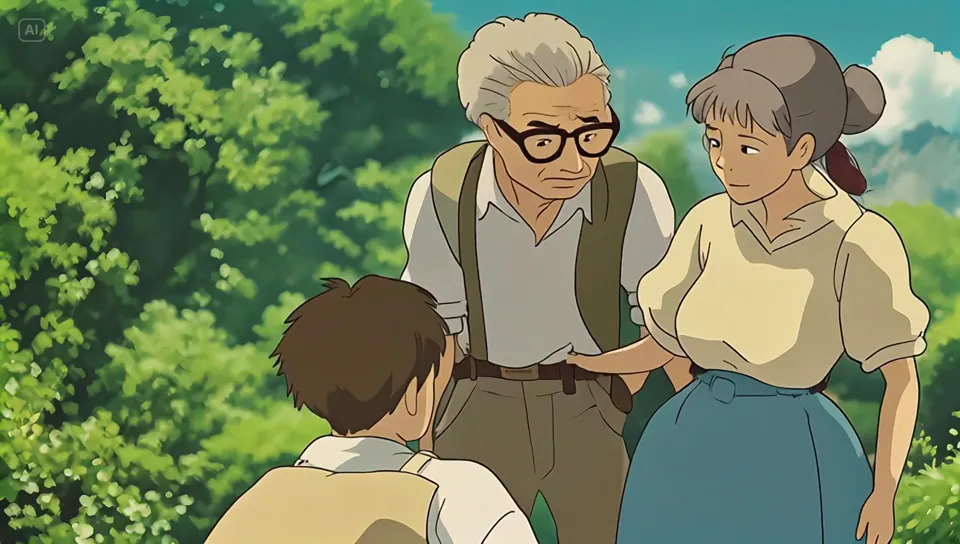
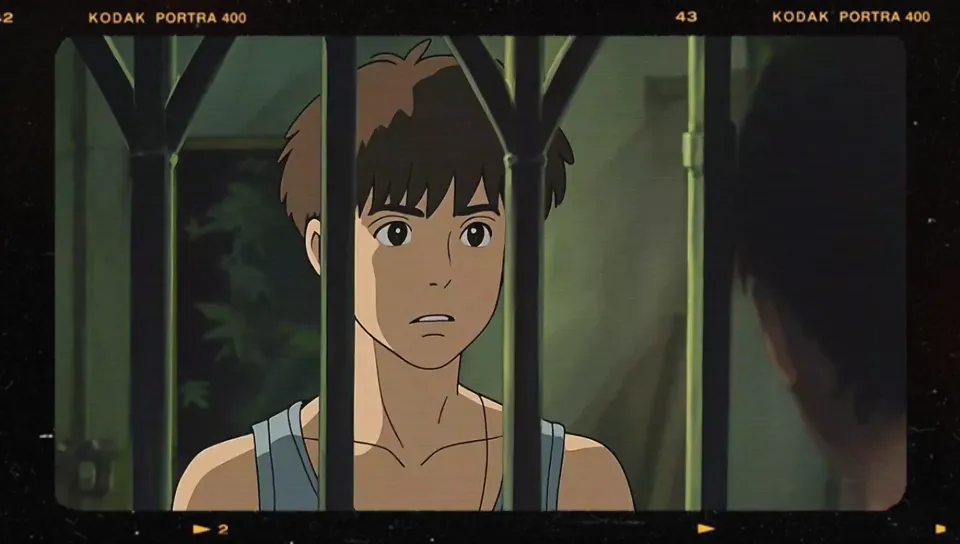
Rocks and a railing first establish the setting, a camera connects the young people and the elderly couple, and then come a startled look downward and memories in a film-strip frame; the camera as a prop ties the story together throughout. The film ends with the title card.
Clip · 00:00–00:05
Rocks and Railing
Plant-covered rocks and a wooden railing establish the mountain-woods setting in a quiet frame.
Clip · 00:06–00:11
Raising the Camera
A young man points a camera straight at the lens, and small shifts in his fingers and gaze carry the act of taking a photo forward.
Clip · 00:15–00:19
The Old Couple and the Boy
An old man in glasses and his wife lean down toward a boy with his back to the camera, all three crowded into the same frame.
Clip · 00:19–00:26
The Camera and Looking Down
The camera is set on the ground under a tree, then the shot cuts to a young man in glasses bracing himself on a rock and looking down, startled.
Clip · 00:27–00:31
Memories in Film
A film-strip frame wraps the image as several memory shots dissolve past, like flipping through the photos in the camera.
Film · 00:00–01:09
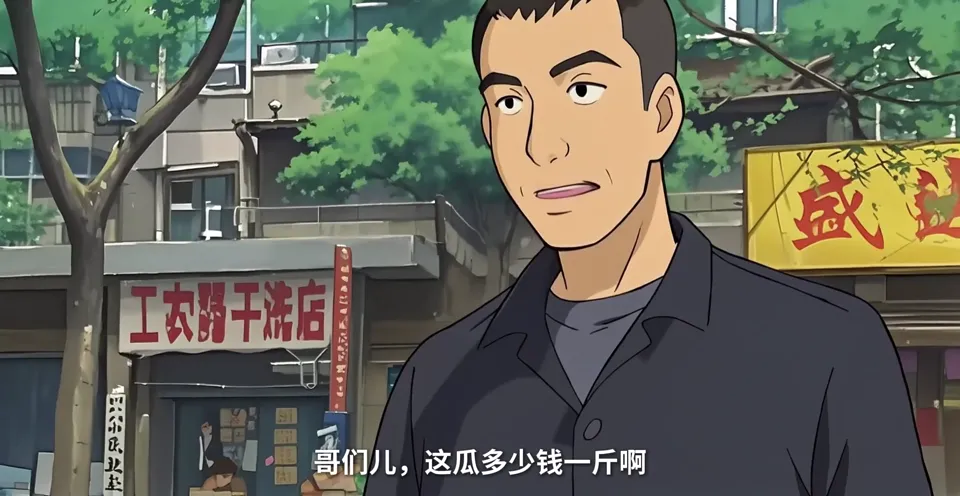
The Melon Stall Clip: A Street Quarrel
The street and fruit stall establish that this is a sale, and asking the price, picking a melon, weighing it and checking the scale escalate the quarrel step by step; with every scene change, the watermelon stays in frame as a visible thread. The dialogue subtitles are kept as they were.
Clip · 00:00–00:03
Asking the Price on the Street
The customer asks the price by the roadside, then the shot cuts to the vendor at the fruit stall, with the subtitles keeping the dialogue as it was.
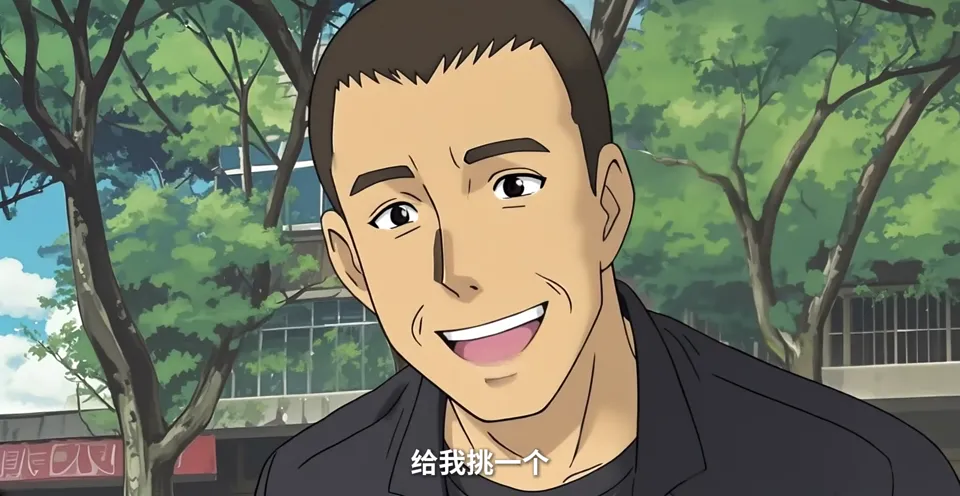
Clip · 00:11–00:19
Pick One for Me
The customer smiles and says “Pick one for me,” and the vendor turns and walks over to the pile of watermelons.
Clip · 00:46–00:51
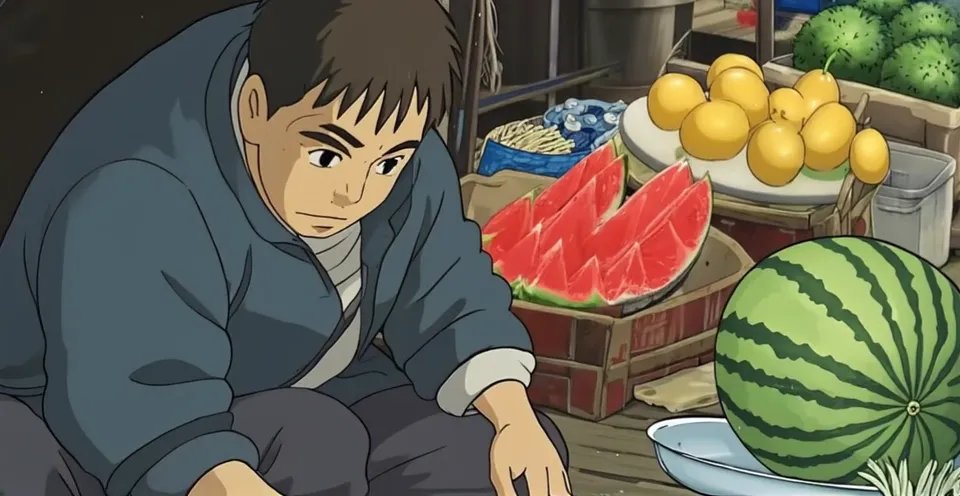
Weighing the Melon
The vendor crouches by the pile to weigh the melon, and the customer stares at the scale and says “Something's wrong with your scale.”
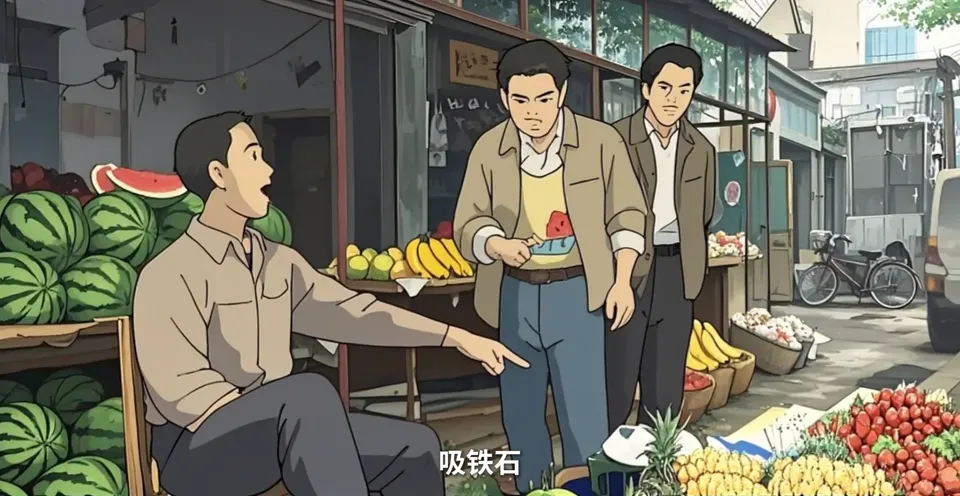
Clip · 00:56–01:01
Onlookers Gather
The customer points at the scale and speaks up as onlookers crowd around the stall, and the quarrel grows louder and louder.
04 / Storyboards & Final Frames
One shot for every line of dialogue.
Taking “Romance of the Three Kingdoms: Same Here” as an example: six lines of dialogue, each matched with a set of final stills in hand-drawn animation style, arranged in the order of the finished film. Only our restyled final stills are shown here, not screenshots from the original footage.
01
“Romance of the Three Kingdoms” · Same Here
This film, 00:00–00:25
Shot 1.1
“From this day on, my life is your life, Brother Liu”
Guan Yu swears an oath to Liu Bei. A close-up of Guan Yu, then all three in frame: Liu Bei with his back to the camera, Guan Yu in the center and Zhang Fei on the right, positioned as in the original scene.
“From this day on, my life is your life, Brother Liu” · Final 1“From this day on, my life is your life, Brother Liu” · Final 2
Shot 1.2
“Same here”
Zhang Fei cups his fists in salute and chimes in, and the next shot gives a close-up of Liu Bei's reaction.
“Same here” · Final 1“Same here” · Final 2
Shot 1.3
“I swear to share every hardship with you, brother, and follow you in life and death”
Guan Yu and Zhang Fei share the frame as Guan Yu reaches out to take Liu Bei's hand; the green headscarf and long beard are his most recognizable features.
“I swear to share every hardship with you, brother, and follow you in life and death” · Final 1
Shot 1.4
“Same here”
A frontal close-up of Zhang Fei: thick brows, full beard, chin resting in his hand. The expression in this shot decides whether the joke lands.
“Same here” · Final 1
Shot 1.5
“Should I ever break this vow, may Heaven and men strike me down”
A close-up of Guan Yu, brows lowered, delivering the weightiest line.
“Should I ever break this vow, may Heaven and men strike me down” · Final 1
Shot 1.6
“Same here”
Zhang Fei chimes in one last time, and the scene closes on Liu Bei's expression.
“Same here” · Final 1“Same here” · Final 2
05 / Results
Seven Separate Restyled Works
Completed seven separate restyled shorts covering dialogue, emotional montages and action scenes; this page shows the full film and selected clips of each.
“Romance of the Three Kingdoms: Same Here” was released on Kuaishou on April 4, 2025; a screenshot of the post shows 2.233M views and 16K likes, and likes later rose to 65K. See the screenshot under “Case Study.”
Case Study
Seven Familiar Scenes, Played Again in Hand-Drawn Animation Style
Guan Yu swears his oath, and Zhang Fei answers, “Same here.”
Audiences have seen these scenes many times and can recite the lines by heart.
In April 2025, Kling AI ran a “Ghibli style” themed campaign on Kuaishou, and our team picked seven classic film and TV clips and restyled them as hand-drawn animation.
The art style changed completely, but the scene still had to be the same scene.
Project Type
Original series (made for Kuaishou Kling AI's “Ghibli style” themed campaign)
Timeline
Apr 2025
Deliverables
Seven restyled shorts, each running 21 seconds to 1 minute 26 seconds
Release
Kuaishou (“Romance of the Three Kingdoms: Same Here,” “The Bad Kids” and others)
Results
The Kuaishou post for “Romance of the Three Kingdoms: Same Here” showed 2.233M views and 16K likes; likes later rose to 65K
Produced by
Shenzhen Alchemy Technology Co., Ltd. (Liandan AI Studio)
Note
“Ghibli style” is a stylistic homage; there is no partnership with or license from Studio Ghibli, and copyright in the original footage belongs to its owners
01
Which Clips to Choose: Ones Viewers Already Know and Love
During the campaign, the platform was full of similar restyled works. We first set one rule for choosing material: The source for restyling should ideally be a popular, famous scene or a high-view montage in its own right.
The better viewers know the original scene, the bigger the “oh, it's that one” delight once the style changes. We chose seven clips, spread across as many types as possible: dialogue (“Romance of the Three Kingdoms,” the melon stall clip), emotional music montages (“Dream of the Red Chamber,” “Journey to the West: Sequel”), high-energy action (“Ne Zha”), and scenes carried by expressions, such as a seaside confession and a mountain encounter (“King of Comedy,” “The Bad Kids”).
Seen together, they make a neat comparison: how the same hand-drawn style performs differently across different kinds of scenes.
02
Stills First: One Key Image for Each Line of Dialogue
The method has three steps: capture key images from the original footage, restyle each one as a hand-drawn animation still, then pick the best ones and hand them to Kling AI to animate.
Taking “Romance of the Three Kingdoms: Same Here” as an example, the six lines of dialogue were broken into six sets of shots. Every still had to match the original scene's positions, costumes and eyelines: who's speaking, who's listening, who chimes in.
Guan Yu swears his oath: all three in frame, positioned as in the original sceneZhang Fei cups his fists and chimes in: “Same here”
Early on, we tested still-image restyling with several tools and chose the one that looked most like hand-drawn animation and kept characters most recognizable before moving on. Once the stills were right, the motion that followed stayed stable.
03
Characters Must Stay Recognizable: Small Faces and Blurry Captures Get Special Treatment
Faces are where restyling most often goes wrong. The smaller the character in the frame and the blurrier the original capture, the more likely the features are to distort.
We ran into this right away with “Ne Zha”: a few small faces in wide shots didn't come out well. We switched to making a separate, clear facial close-up and compositing it back into the frame, and the character immediately stabilized.
Clip · 00:16–00:21
“Ne Zha”: From a Roar to a Clenched Fist
In the frontal close-up, the flame mark on his forehead, his brows, eyes and teeth are all clear; then his palm reaches toward the camera and closes into a fist.
The same went for the Three Kingdoms film: Guan Yu's green headscarf and long beard, Zhang Fei's full beard and Liu Bei's topknot were kept in every still, so viewers know who's who at a glance.
04
Sound and Rhythm: Dialogue Clips Keep the Lines, Montages Follow the Music
The seven films were handled in two ways.
Dialogue clips rely on the lines. “Romance of the Three Kingdoms” felt thin with voices alone, so we added background music, then swapped out a track with vocals so it wouldn't bury the line “Same here.”
Emotional montages rely on the music. “Dream of the Red Chamber” and “Journey to the West: Sequel” change images with the lyrics, one shot per lyric; we cut the black frames at the start and kept the endings tight so the emotion lands as soon as it rises. If subtitles couldn't be done well, we left them out.
Clip · 00:16–00:22
“Journey to the West: Sequel”: Embracing and Clasping Hands
The two lie on the grass in an embrace, then two pairs of hands clasp, with the images changing in step with the lyrics.
This round also gave us a very practical lesson: on short-video platforms, highlight segments of ten-something to twenty-something seconds are more likely to be watched to the end, and the first two seconds must have a striking image.
05
After Release: Many People Saw “Romance of the Three Kingdoms: Same Here”
“Romance of the Three Kingdoms: Same Here” was released on Kuaishou on April 4, 2025, labeled “AI-generated content.” A screenshot of the post shows 2.233M views and 16K likes; likes later rose to 65K.
Screenshot of the Kuaishou post for “Romance of the Three Kingdoms: Same Here”; the 2.233M views reflect the figure at the time of the screenshot
It's only 25 seconds long, with six lines of dialogue and one recurring joke. Viewers know this scene well, yet were seeing it in hand-drawn animation for the first time.
06
What this project achieved
This series wasn't a client commission; it was a series the team created for a platform's themed campaign.
But it gave us practice in the things we care about most when making AI video: choosing the right material, getting the stills right first, keeping characters recognizable, and handling sound and rhythm according to the type of film.
The art style can change completely, but the character relationships, the rhythm of the lines and the direction of action can't be lost. Restyling only means something if viewers recognize the scene.
FAQ
FAQ
Does this “Ghibli style” involve any partnership with Studio Ghibli?
No. “Ghibli style” here refers to a hand-drawn animation style as a stylistic homage; there is no partnership with or license from Studio Ghibli. The seven shorts are a series created by the Liandan AI Studio team for a Kuaishou Kling AI themed campaign in April 2025, and copyright in the original footage belongs to its owners.
After AI restyling, how do you keep characters recognizable?
First capture the key image for each line of dialogue from the original footage and restyle them one by one, keeping costumes, beards, positions and eyelines; for shots where a face is too small or the capture too blurry (as in “Ne Zha”), make a separate clear facial close-up and composite it back in. Once all the stills are set, animate them with Kling AI.
How long should a restyled short be, and how long does one take to make?
Each film in this series runs 21 seconds to 1 minute 26 seconds. In actual releases, highlight segments of ten-something to twenty-something seconds are more likely to be watched to the end. “Romance of the Three Kingdoms: Same Here” is 25 seconds with six sets of shots, and took about a day from choosing the topic to the finished film.
How is sound handled for dialogue clips and music montages?
Dialogue clips keep the lines; background music can be added, but avoid tracks with vocals so they don't bury the dialogue. Music montages change images with the lyrics, one shot per lyric, with no black frames at the start, and no subtitles if they can't be done well.
Approach
From Key Frames of the Original Footage to Animated Shorts
The production process: capture the original footage, process the key images, restyle them as stills, then generate motion with Kling AI. For the Three Kingdoms and Red Chamber films, we first compared several tools' still-image restyling before picking the best images to animate.
Every still keeps the characters' costumes, facial features, over-the-shoulder angles and positions so consecutive shots connect. In the Ne Zha film, smaller faces in the frame tended to distort, so we made a separate clear facial close-up and composited it back in, and the character stabilized. How well the stills are chosen directly determines how the characters look in the motion that follows.
Sound and subtitles were handled separately according to each clip's content. After adding background music to the Three Kingdoms film, we checked that it didn't bury the voices; the Red Chamber and Journey to the West montages were tuned around how quickly the music lifts the emotion, the lyric styling and the editing rhythm. Narrative clips center on dialogue and action, while emotional montages rely more on music and rhythm, so each type pairs sound and image in its own way.