
Standard footage won’t fill it
Upscaled 16:9 footage blurs, stretching distorts, and patching clips together shows the seams.
When a stage screen runs tens of meters wide, or wraps two towers or a full circle, a standard 16:9 film no longer works: the edges sit empty or stretched, the subject lands on a fold no one can see, and the text is too small for the back rows.
We design from the screen outward: pixel size, shape and audience position first, then where the figures stand, where the text goes and which area carries the story. AI visuals are generated at the ultra-wide ratio, not stretched or patched to fill it.
Upscaled 16:9 footage blurs, stretching distorts, and patching clips together shows the seams.
Folds, podiums and lighting rigs block parts of the screen, and key figures and text must avoid them.
It looked fine on a monitor, but on site the ratio is off or the text too small—and there’s no time left.
Visuals are generated and composed at the screen’s ratio from the start, never stretched.
The wide frame is zoned for figures, text and scenes, so viewers know where to look and the host has space.
Text and subject size are set for viewing distance—facade screens read from across the street.
A low-bitrate preview lets you test on the real screen and fix issues before the event.
On a stage screen tens of meters wide, figures, letters and historical scenes share the frame in zones.
Subjects sit on the faces toward the audience, with two towers echoing each other in one story.
A ring of screens forms one scene, with the same landscape or city all around the audience.
Backdrops that change with each act, timed to performers’ blocking and lighting.
Each step comes to you for approval before we move on.
Pixel and physical size, a shape diagram, site photos, plus the run-of-show and content needs.
We make key stills at true ratio, marking blocked and safe zones, for your approval.
We generate at the ultra-wide ratio, add text and graphics, and export an on-site preview.
We adjust after the test and deliver in the format your playback system needs, plus a standard-ratio edit.
Click through for the full film and project review.
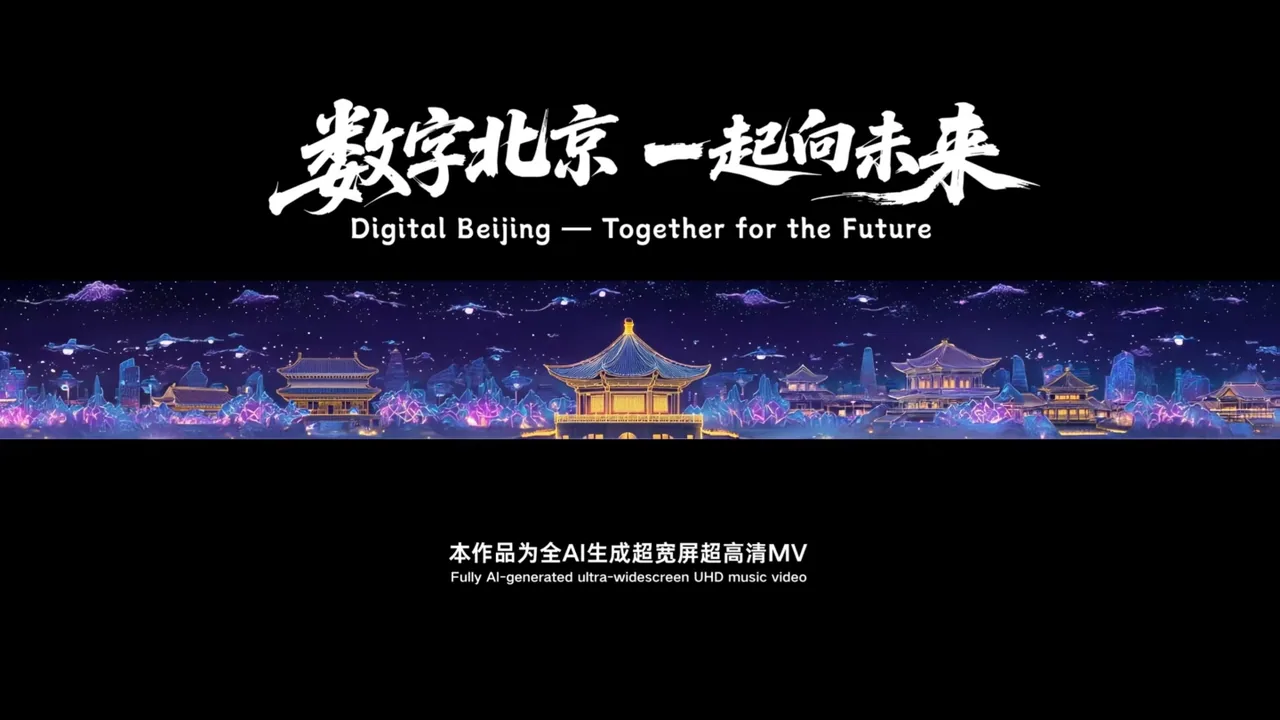
A 46×6-meter opening screen: with the podium in mind, verses sit at the sides and the theme in the center, plus a standard edit.
See the full case
Chengdu’s Tianfu Twin Towers: subjects on the faces toward the audience, chapter titles mirrored across both towers.
See the full case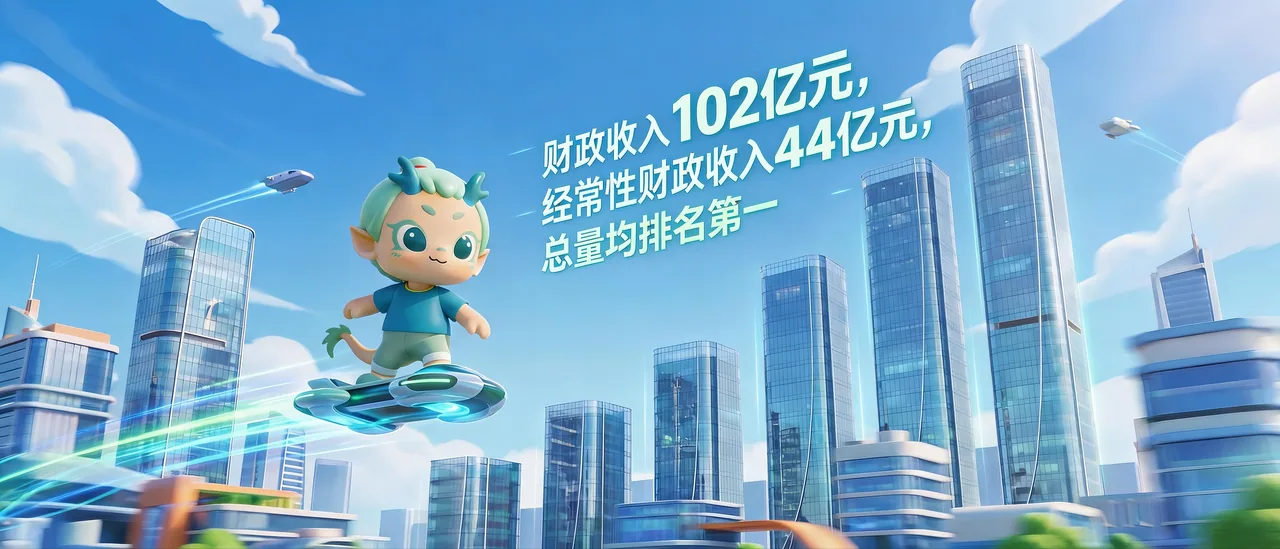
A wide-screen opener for a Hangzhou conference: the mascot on one side, buildings and data on the other, alternating wide and close.
See the full case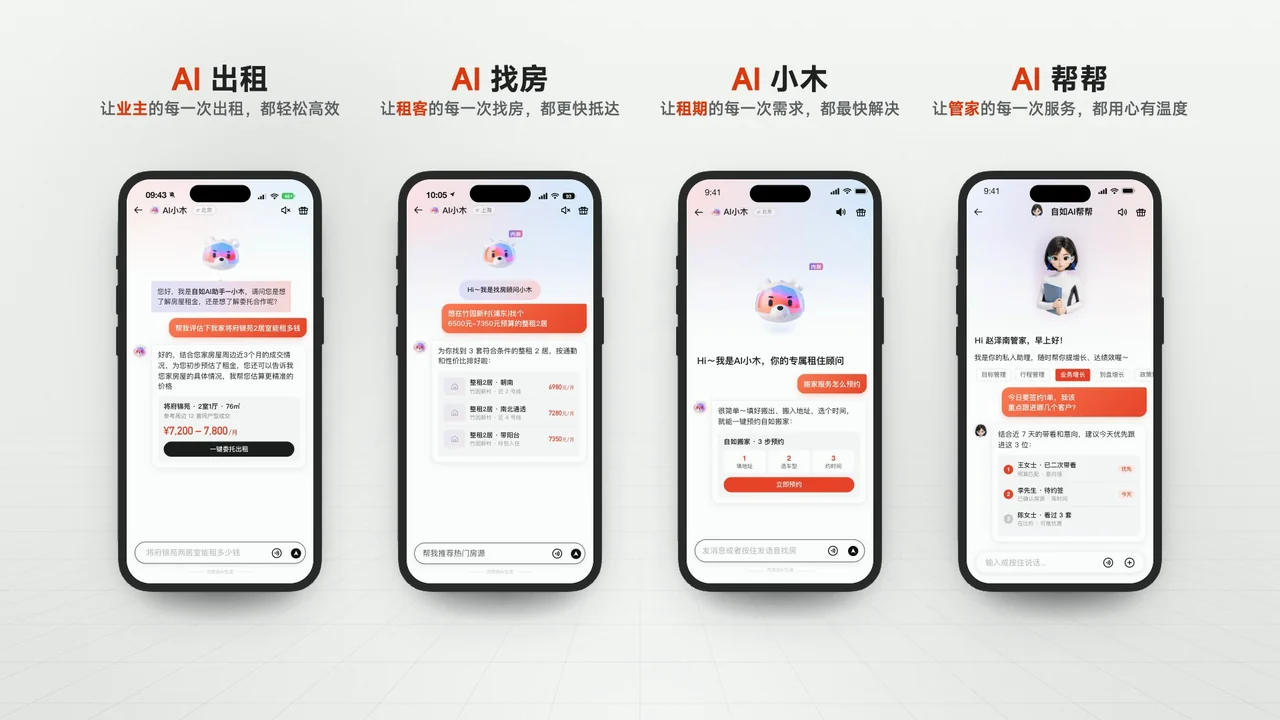
Besides the 1920×1080 cut, the Ziroom film has a 6048×1882 wide version for the event screen, with layouts rebuilt for the width.
See the full caseFor process, pricing and revisions, see Process & Pricing.
Listed here is what we’ve done and what people ask most. For other industries or uses, add us on WeChat and send a one-line brief—we’ll reply with an approach and quote within 1–2 working days.

Page updated 2026-10-24
Ideal for brand launches · public-sector communications · cultural-tourism campaigns · IP transformation · event openers · earnings visualization · social campaigns · AI workflow development